
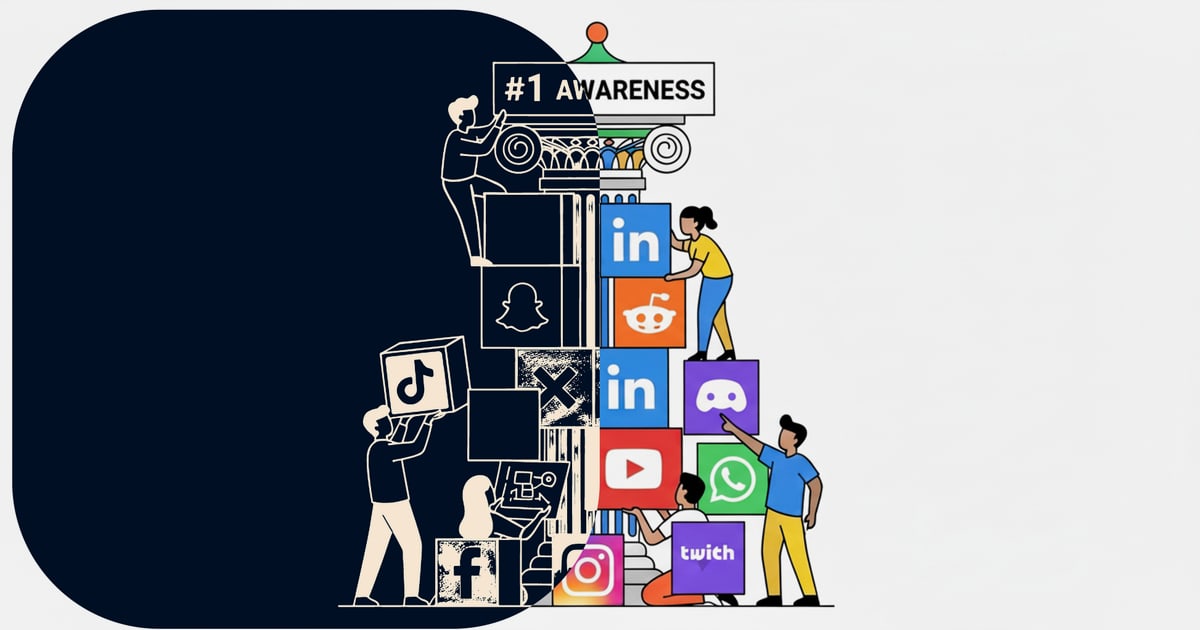
Cross-Media Advertising: How to Plan, Launch, and Optimize Multi-Platform Campaigns
Cross-media advertising is the practice of running a coordinated campaign across multiple channels—TV, social media, display, email, print, radio, and more—so that each touchpoint reinforces the same core message. Unlike siloed, single-channel efforts, cross-media campaigns treat every platform as part of one connected system. The goal is simple: reach people where they already spend time, and make every interaction feel like part of the same story.
This guide breaks down what cross-media advertising actually means, why it works, how to structure a campaign, and which tools help you research and refine your approach.
What Is Cross-Media Advertising?
Cross-Media Advertising: Strategy, Examples & Tools - What Is Cross-Media Advertising?.
Cross-media advertising (also called cross-media marketing or integrated media planning) means using several media channels together to deliver a consistent brand message. The channels can include:
- Television and streaming video
- Social platforms like Facebook, Instagram, TikTok, and YouTube
- Display and native advertising
- Email and SMS
- Print, radio, and out-of-home
- Web properties and landing pages
What separates cross-media advertising from simply "advertising in multiple places" is coordination. A true cross-media campaign designs each channel's role deliberately. One channel might introduce the message, another retargets the audience, and a third closes the sale. The creative, tone, and offer stay recognizable across all of them.
According to Wikipedia's overview of cross-media marketing, the approach has deep roots—from film soundtracks promoting movies in the 1970s to modern social media integrations that let brands interact with audiences in real time. The underlying principle hasn't changed: multiple coordinated touchpoints outperform isolated ones.
Why Cross-Media Advertising Works
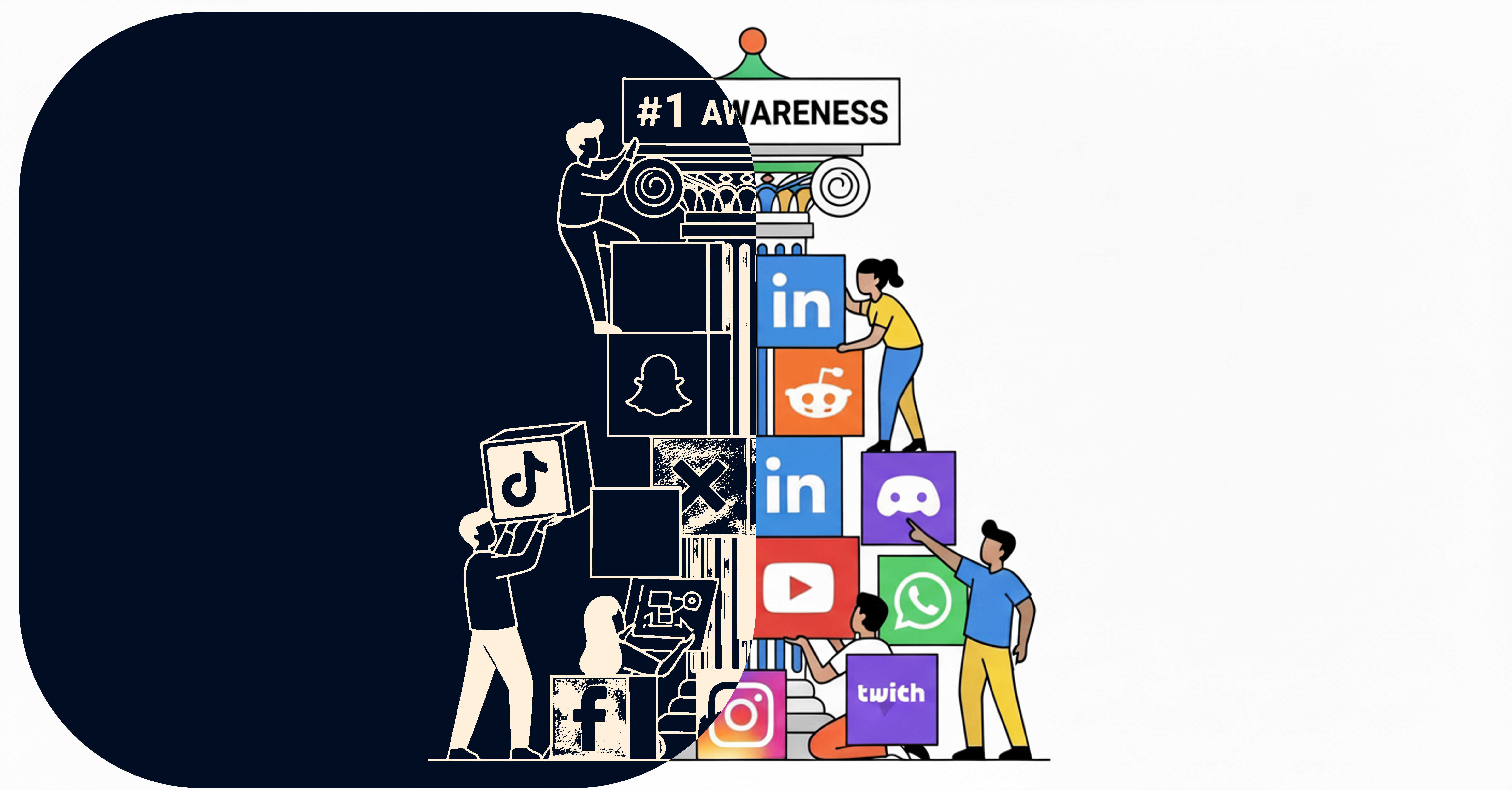
Cross-Media Advertising: Strategy, Examples & Tools - Why Cross-Media Advertising Works.
Cross-media campaigns consistently outperform single-channel efforts for several reasons:
1. Frequency Without Fatigue
A person might see your ad once on TikTok and scroll past. But when the same core message appears again in their inbox, on a podcast, and in a YouTube pre-roll, recognition builds. Cross-media advertising increases effective frequency while varying the format enough to avoid burnout.
2. Channel-Specific Strengths
Each platform excels at something different:
| Channel | Strength in a Cross-Media Campaign |
|---|---|
| Social video (TikTok, Reels) | Awareness, emotional connection, viral potential |
| Search and display | Capturing demand, retargeting |
| Email and SMS | Nurturing, personalized offers, retention |
| TV and streaming | Mass reach, brand authority |
| Print and out-of-home | Local presence, trust signals |
A smart cross-media plan assigns each channel a role instead of expecting every platform to do everything.
3. Attribution and Learning Loops
When channels work together, you can see how they influence each other. A TV spot might drive search volume. A TikTok ad might fill an email list. Cross-media measurement helps you understand these relationships and reallocate budget accordingly.
Core Principles of Effective Cross-Media Advertising

Cross-Media Advertising: Strategy, Examples & Tools - Core Principles of Effective Cross-Media Advertising.
Keep the Core Message Consistent
Consistency doesn't mean identical creative everywhere. It means the same value proposition, tone, and visual identity. A Facebook ad and a radio spot can sound different while still communicating the same promise. As ESIC's breakdown of cross-media marketing notes, the brand message must tie into the values and vision of the organization—every channel should reinforce that foundation.
Design for the Channel, Not Against It
A 30-second TV spot doesn't translate directly to a TikTok post. Cross-media advertising works best when you adapt the message to each platform's format, audience expectations, and consumption patterns. The offer stays the same; the execution changes.
Sequence the Touchpoints
Think about the customer journey:
- Awareness: Broad-reach channels like TV, YouTube, or TikTok introduce the brand.
- Consideration: Retargeting ads, email sequences, and search ads provide detail.
- Conversion: Landing pages, SMS offers, and cart-abandonment flows close the deal.
- Retention: Email newsletters, loyalty offers, and social communities keep customers engaged.
Each stage can involve multiple channels, but the sequence should feel intentional.
Measure Holistically
Single-channel metrics can mislead you. A Facebook campaign might show a high cost per acquisition, but if it's driving searches that convert cheaply on Google, cutting it would be a mistake. Cross-media measurement looks at assisted conversions, multi-touch attribution, and brand lift—not just last-click results.
Cross-Media Advertising Examples
Example 1: Product Launch for an Ecommerce Brand
A DTC skincare brand launches a new serum:
- Week 1: TikTok and Instagram creators post organic-style reviews (awareness).
- Week 2: Paid social ads retarget viewers with a limited-time discount (consideration).
- Week 3: Email and SMS sequences hit engaged users with testimonials and FAQs (conversion).
- Ongoing: YouTube ads target lookalike audiences, while print ads in lifestyle magazines build trust (reinforcement).
Every touchpoint uses the same tagline, color palette, and product positioning.
Example 2: Local Service Business
A dental clinic wants to attract new patients:
- Radio ads run during morning commutes, mentioning a free consultation offer.
- Local search ads capture people searching for "dentist near me" after hearing the ad.
- Direct mail postcards reach households in a 10-mile radius.
- Facebook ads retarget website visitors with patient testimonials.
The radio spot drives search behavior; the search ads capture that demand. Direct mail and social reinforce each other.
Example 3: Entertainment and Media
Cross-media advertising has long been used in entertainment. A film release might pair a soundtrack single with TV spots, social media challenges, and in-theater promotions. Each channel amplifies the others, creating a cultural moment rather than a series of disconnected ads.
How to Research Competitors Before Launching a Cross-Media Campaign
Before you commit budget across channels, you need to know what's already working in your niche. This is where ad intelligence tools become valuable.
Platforms like PrimeSpy let you analyze competitor ads across Facebook, TikTok, and Meta Ad Library. Instead of guessing which angles, hooks, and creative formats perform best, you can review real campaigns that are currently running—or that have run for extended periods, which often signals profitability.
For cross-media advertising specifically, competitor research helps you answer questions like:
- Which platforms are competitors prioritizing?
- What offers and hooks appear consistently across their campaigns?
- How do they adapt creative from one channel to another?
- Which ad formats (video, carousel, static) generate the most engagement?
PrimeSpy's smart search lets you filter by keyword, advertiser, or URL, and its ad metrics—including reach, spend estimates, and duplicate counts—give you a data-driven starting point for your own multi-channel plan. If you're comparing tools, our PrimeSpy vs Winning Hunter vs Adplexity Social comparison breaks down how different ad spy platforms handle cross-platform research.
Building a Cross-Media Advertising Plan: Step by Step
Step 1: Define One Core Message
Write a single sentence that captures your campaign's promise. Everything else—every ad, email, and landing page—should trace back to this sentence.
Step 2: Map the Customer Journey
Identify where your audience discovers, evaluates, and buys your product. Assign channels to each stage based on their strengths.
Step 3: Audit Competitor Activity
Use an ad intelligence tool to see which platforms competitors are active on and which messages they repeat. This reveals gaps and opportunities. For a deeper look at one popular option, see our AdsLibrary review.
Step 4: Adapt Creative for Each Channel
Create a master creative concept, then adapt it:
- TikTok/Reels: Short, native-feeling videos with strong hooks
- YouTube: Longer storytelling or explainer formats
- Display: Bold visuals with minimal text
- Email: Personalized subject lines and clear CTAs
- Print/Radio: Simple, memorable messaging
Step 5: Set Up Cross-Channel Tracking
Use UTM parameters, pixel events, and a centralized dashboard. Tools like RedTrack help you track campaigns across traffic sources, offers, and postback URLs—so you can see how channels influence each other rather than evaluating them in isolation.
Step 6: Launch, Measure, and Rebalance
Start with a test budget. Monitor both direct conversions and assisted conversions. Shift spend toward the channels that drive the most overall impact, not just the last click.
Common Cross-Media Advertising Mistakes
Mistake 1: Identical Creative Everywhere
Repurposing the exact same ad on every platform ignores how people consume content differently. Adapt the format while keeping the message consistent.
Mistake 2: Siloed Measurement
If each channel team optimizes only for its own metrics, the campaign fragments. Cross-media advertising requires shared goals and shared data.
Mistake 3: Ignoring Creative Fatigue
Multi-channel campaigns can burn through creative faster. Monitor frequency and refresh ad variations regularly. Ad intelligence tools can show you which competitor creatives have been running longest—a useful signal for what resonates.
Mistake 4: Launching Everywhere at Once
Without a phased approach, you can't tell which channels are actually working. Start with two or three core channels, prove the concept, then expand.
Cross-Media Advertising vs. Omnichannel Marketing
These terms are often used interchangeably, but there's a subtle difference:
- Cross-media advertising focuses on using multiple media channels to deliver a coordinated campaign message.
- Omnichannel marketing is broader—it encompasses the entire customer experience across all touchpoints, including in-store, customer service, and post-purchase interactions.
Cross-media advertising is essentially the paid-media component of an omnichannel strategy. You can run a cross-media ad campaign without a full omnichannel infrastructure, but the most mature brands do both.
Tools That Support Cross-Media Advertising
Several categories of tools make cross-media campaigns more effective:
- Ad intelligence platforms (like PrimeSpy) for competitor research and creative inspiration
- Tracking and attribution tools (like RedTrack) for cross-channel measurement
- Social media management tools for scheduling and publishing
- Email and SMS platforms for nurture sequences
- Analytics dashboards for consolidated reporting
If you're evaluating ad spy tools for multi-platform research, our PrimeSpy vs Swipekit comparison covers two popular options side by side.
Related reading
- SocialPeta Review 2026: Features, Pricing & Verdict - Hands-on SocialPeta review: ad intelligence features, ideal users, pricing signals, limitations, and how it compares for gaming, apps, and e-commerce.
Sources and further reading
- Homepage | Crossmedia - Unclear about transparency? We’re not. Crossmedia loves partnering with clients and creatives who want to do big things.
Frequently Asked Questions
What is the difference between cross-media advertising and multi-channel advertising?
Multi-channel advertising simply means advertising on more than one channel. Cross-media advertising goes further: it coordinates those channels so they work together toward a unified goal, with consistent messaging and deliberate sequencing.
How much budget should I allocate to each channel?
There's no universal formula. Start by identifying which channels your audience actually uses, then allocate based on each channel's role in the journey. Awareness channels often get more budget early on; conversion channels receive more as the campaign matures.
How do I measure cross-media advertising effectiveness?
Use a combination of direct metrics (conversions, ROAS per channel) and assisted metrics (multi-touch attribution, brand lift studies, search volume changes). The goal is to understand how channels influence each other, not just which one gets the final click.
Can small businesses run cross-media campaigns?
Yes. Cross-media doesn't require a massive budget. A small business might combine local radio, Facebook ads, and email marketing. The key is coordination and consistency, not the number of channels.
How do I keep messaging consistent across channels?
Create a campaign brief that defines the core message, tone, visual identity, and offer. Every channel team works from this brief. Regular creative reviews help catch inconsistencies before they go live.
What role does competitor research play in cross-media advertising?
Competitor research shows you which channels, messages, and creative formats are already working in your market. This reduces guesswork and helps you allocate your cross-media budget more confidently.
Conclusion
Cross-media advertising isn't about being everywhere—it's about being coordinated everywhere. The brands that win are the ones that deliver one consistent message across carefully chosen channels, adapt their creative to each platform's strengths, and measure the campaign as a connected system rather than a collection of silos.
Start with a clear core message. Research what's already working in your niche using ad intelligence tools like PrimeSpy. Map your customer journey, assign channels deliberately, and track cross-channel influence. When every touchpoint reinforces the same story, the whole campaign becomes greater than the sum of its parts.