
Performance Marketing: A Complete Guide to Pay-for-Results Growth
Performance marketing flips traditional advertising on its head. Instead of paying upfront for exposure and hoping it works, you pay only when a measurable action happens—a click, a lead, a sale, or an install. That simple shift makes it one of the most accountable ways to grow a business, and it is why everyone from solo dropshippers to enterprise brands now anchors their digital strategy around it.
This guide breaks down how performance marketing works, the pricing models you will encounter, the channels that actually deliver, and a step-by-step process for building campaigns that scale profitably.
What Is Performance Marketing?
Performance Marketing: A Complete Guide to Pay-for-Results Growth - What Is Performance Marketing?.
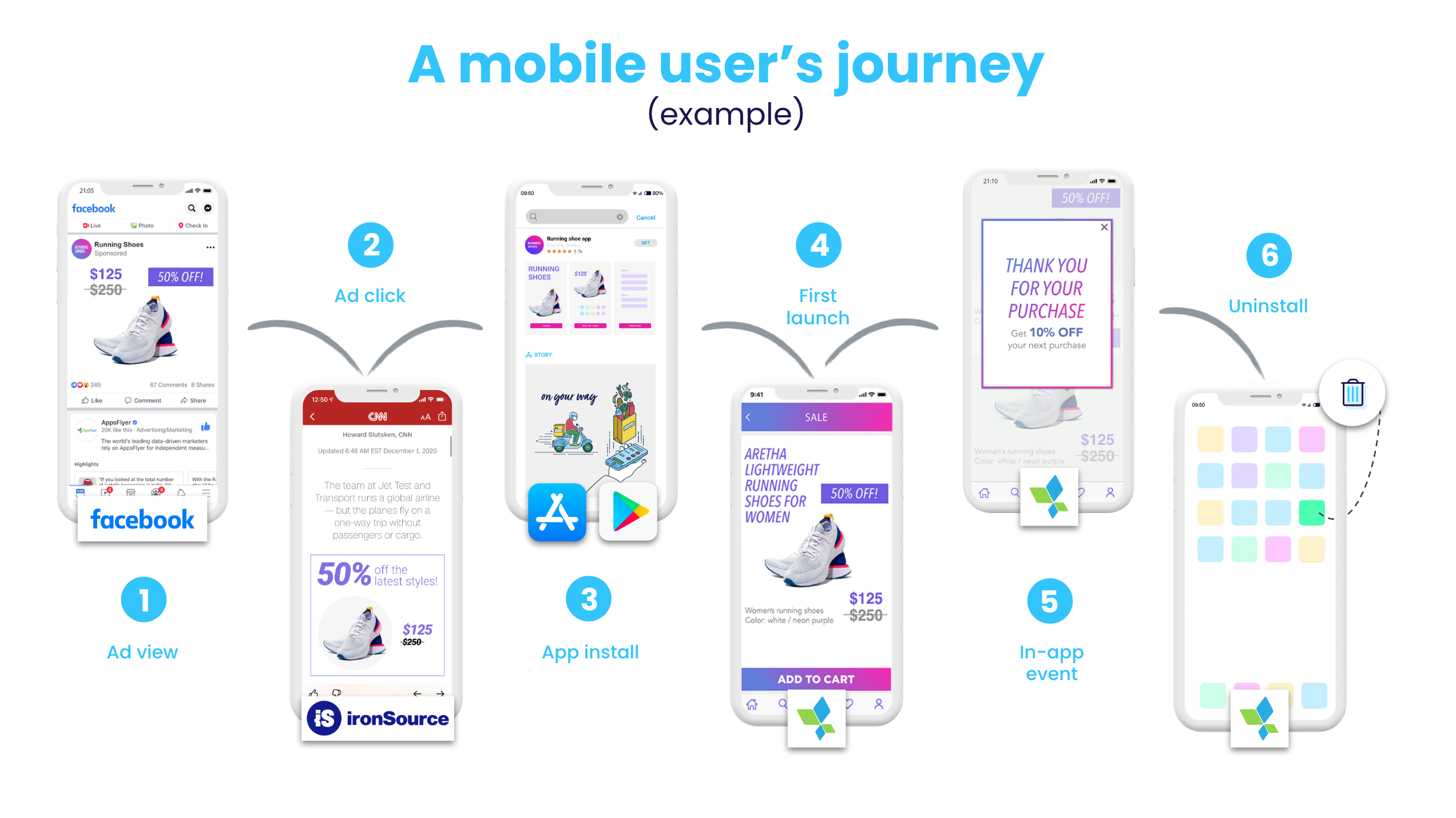
Performance marketing is a digital advertising model where advertisers pay only when a specific, pre-agreed action is completed. That action could be a click, a form submission, an app install, or a completed purchase. The defining feature is accountability: every dollar is tied to a measurable outcome.
This is fundamentally different from brand marketing, which aims to build awareness, recall, and emotional connection over time. Brand campaigns are often priced on impressions or fixed placements, where results are harder to attribute directly. Performance marketing, by contrast, lives and dies by the numbers.
As digital platforms matured and tracking improved, performance-based advertising became the default for direct-response marketers. The logic is straightforward: if a platform or partner can prove they drove a result, they get paid. If not, the advertiser keeps the budget.
How Performance Marketing Pricing Models Work
Performance Marketing: A Complete Guide to Pay-for-Results Growth - How Performance Marketing Pricing Models Work.
Understanding the pricing models is the first step to running profitable campaigns. Each shifts risk and reward differently between advertiser and publisher.
CPM: Cost Per Mille (Thousand Impressions)
CPM charges for every 1,000 times an ad is displayed, regardless of whether anyone clicks. It is common for display and awareness campaigns. While CPM is sometimes grouped under performance marketing, it is the weakest fit because it measures exposure, not response. Advertisers pay even when the audience ignores the ad.
CPC: Cost Per Click
CPC charges only when someone clicks the ad. This is the dominant model for search advertising and much of paid social. It shifts some risk away from the advertiser—you do not pay for impressions that generate no interest—but a click still does not guarantee a sale. Keyword competition can drive CPCs high in crowded niches, so click quality and landing page conversion become critical.
CPL: Cost Per Lead
CPL charges when a user submits contact information, such as an email address or phone number. This model is popular for B2B, insurance, education, and high-consideration products where the sale happens later through follow-up. CPL campaigns are advertiser-friendly because you only pay for a qualified prospect, not for the clicks that failed to convert.
CPA: Cost Per Acquisition
CPA charges when a specific action is completed—typically a sale, but sometimes an app install or subscription. This is the purest form of performance marketing: you pay only for revenue-generating events. CPA is common in affiliate marketing and mature paid search accounts. The trade-off is that CPA campaigns often require conversion tracking, pixel implementation, and enough historical data for platforms to optimize effectively.
Choosing the Right Model
CPL works best when you have a strong follow-up system—email sequences, sales calls, or retargeting—that can turn leads into customers over time. CPA works best when the purchase decision is immediate and you can track the full funnel. CPC is the default starting point for most advertisers because it balances risk and data volume while you learn what converts.
The Main Performance Marketing Channels
Performance Marketing: A Complete Guide to Pay-for-Results Growth - The Main Performance Marketing Channels.
Performance marketing is not a single channel. It is a strategy applied across multiple channels, each with its own strengths.
Paid Search
Search ads capture demand at the exact moment someone is looking for a solution. Because the user types a query, intent is high, and conversion rates tend to be strong. The challenge is cost: competitive keywords can be expensive, and winning requires tight keyword targeting, compelling ad copy, and landing pages that match the query.
Social Media Advertising
Platforms like Facebook, Instagram, and TikTok offer powerful targeting based on demographics, interests, and behavior. Paid social is excellent for product discovery—introducing your offer to people who did not know they needed it. The auction dynamics and creative fatigue mean you need a steady flow of fresh ad variations to maintain performance.
Native Advertising
Native ads blend into the surrounding content on publisher sites, reducing banner blindness. They work well for content-led funnels, where an engaging article or video warms the audience before a conversion ask.
Affiliate Marketing
Affiliates promote your product in exchange for a commission on sales or leads. You set the terms, and affiliates bring traffic through their own channels—blogs, review sites, email lists, or social audiences. Affiliate marketing scales because you only pay for results, but it requires careful partner vetting to protect brand quality.
Email Marketing
Email is often overlooked as a performance channel, but it is one of the highest-ROI tools available. Once you own a list, every send is essentially free distribution. Triggered emails—cart abandonment, welcome sequences, post-purchase follow-ups—are particularly measurable and consistently outperform batch sends.
Influencer Marketing
Performance-based influencer deals pay creators based on conversions rather than flat fees. Trackable links, discount codes, and affiliate-style commissions turn influencer reach into a measurable channel. This works best when the influencer's audience aligns tightly with your product.
Why Performance Marketing Works

Performance Marketing: A Complete Guide to Pay-for-Results Growth - Why Performance Marketing Works.
Efficient Ad Spend
Because you pay only for results, wasted budget drops dramatically. Every dollar is tied to an action that moves the business forward, making it easier to justify spend and scale what works.
Data-Driven Insights
Performance campaigns generate enormous amounts of data: impressions, clicks, conversion rates, cost per result, and more. That data feeds optimization decisions, creative testing, and audience refinement in a continuous loop.
Greater Control
You control the offer, the targeting, the budget caps, and the creative. If a campaign underperforms, you can pause it immediately. If it overperforms, you can scale it the same day.
Accessibility for All Sizes
Performance marketing does not require a massive upfront budget. A solo entrepreneur can start with a small daily spend on search or social, test offers, and reinvest profits. The same principles scale to enterprise accounts spending millions per month.
Precise Targeting
Modern platforms let you target by demographics, interests, behaviors, lookalike audiences, and even specific competitor engagement. That precision reduces waste and improves the odds that your ad reaches someone likely to act.
How to Build a Performance Marketing Strategy
Step 1: Clarify Your Goals
Start with the specific action you want to drive. Is it a sale, a lead, an app install, or a trial signup? The goal determines your pricing model, channel mix, and KPIs. A vague goal like "grow the business" is not measurable enough to optimize against.
Step 2: Choose the Right Channels
Match channels to intent. If people search for your product category, paid search is essential. If your product benefits from visual demonstration, paid social and short-form video are strong. If you have a content-rich offer, native and affiliate can work. Most successful programs combine two or three channels rather than spreading thin across all of them.
Step 3: Set Budget and KPIs
Define your target cost per result before launching. If your average order value is $80 and your margin is $40, a CPA above $40 is unsustainable. Work backward from unit economics to set realistic targets, then allocate budget accordingly.
Step 4: Launch and Optimize
Launch with multiple ad variations and audience segments. Let the data identify winners, then shift budget toward them. Optimization is not a one-time event—it is a weekly discipline of reviewing metrics, pausing losers, and testing new hypotheses.
Step 5: Collaborate or Outsource When Needed
As campaigns scale, you may need specialists for creative production, media buying, or affiliate management. Agencies and freelancers can bring expertise, but keep ownership of the data and KPIs so you can hold partners accountable.
Using Competitive Intelligence to Improve Performance
One of the fastest ways to improve performance marketing results is to study what is already working in your market. Instead of guessing which angles, hooks, and offers will resonate, you can analyze competitor campaigns that have been running for weeks or months—a strong signal they are profitable.
Ad intelligence platforms like PrimeSpy make this research practical. PrimeSpy is a multi-platform ad spy tool that helps marketers discover winning ads, analyze competitor creatives, and spot product trends across Facebook, TikTok, and Meta Ad Library. You can search by keyword, advertiser, or URL, then filter by metrics like reach, spend, and duplicates to see which ads are scaling.
For performance marketers, this replaces guesswork with data. If a competitor has been running the same creative for 60 days with increasing spend, that is a signal worth studying. You can analyze their hook, offer structure, and landing page flow—then build your own differentiated version. PrimeSpy's daily top products and ad trackers also help you monitor market shifts without manually refreshing ad libraries.
This kind of research fits naturally into the optimization loop described above. Before you launch a new campaign, study the competitive landscape. During optimization, check what new angles competitors are testing. The goal is not to copy—it is to understand what the market responds to and apply those insights to your own creative strategy. For more on turning competitor data into actionable ideas, see this guide on creative insights.
Performance Marketing vs. Brand Marketing
Performance marketing and brand marketing are often framed as opposites, but the most effective programs use both.
| Aspect | Performance Marketing | Brand Marketing |
|---|---|---|
| Primary goal | Drive measurable action | Build awareness and affinity |
| Payment model | CPC, CPL, CPA | CPM, fixed placements |
| Measurement | Direct attribution | Surveys, lift studies, recall |
| Time horizon | Short to medium term | Long term |
| Optimization | Rapid, data-driven | Slower, qualitative |
Performance marketing captures demand that already exists or can be triggered quickly. Brand marketing creates demand that performance campaigns later harvest. A business that only runs performance campaigns may eventually exhaust its addressable audience, while a business that only runs brand campaigns may struggle to prove ROI. The sweet spot is an integrated approach where brand activity expands the pool and performance activity converts it.
Common Performance Marketing Mistakes
Chasing Cheap Clicks Instead of Profitable Conversions
A low CPC is meaningless if those clicks never convert. Optimize for the metric that matters—CPA or ROAS—not the intermediate metric.
Ignoring Creative Fatigue
Paid social audiences tire of the same ad quickly. If performance declines, the problem is often creative fatigue, not targeting. Maintain a testing cadence of new hooks, formats, and angles.
Poor Landing Page Alignment
An ad promises one thing and the landing page delivers another, killing conversion. Ensure message match between ad copy, creative, and the destination page.
Neglecting Tracking
If you cannot measure it, you cannot optimize it. Implement conversion pixels, UTM parameters, and server-side tracking where possible before scaling spend.
Scaling Too Fast
Doubling budget overnight can destabilize campaigns as platforms re-enter learning phases. Scale incrementally—20% to 30% increases at a time—and monitor performance closely.
Related reading
- Top 10 AI Shopify Dropshipping Page Builders in 2026 - We tested 20+ AI Shopify dropshipping page builders for 2026. Compare full-store generators, product page tools, pricing, and real output quality.
- DropshipHunt Review 2026: AI Shopify Page Builder Tested - Evidence-based DropshipHunt review covering AI product pages, one-click Shopify import, bulk tools, pricing, limitations, and who should use it.
- Creative Insights: Turn Ad Data Into Winning Ideas - Learn what creative insights are, why they matter, and how to extract actionable ad creative intelligence from competitor data without copying.
Sources and further reading
- What is Performance Marketing & How Does it Work? - Salesforce - Performance marketing is a digital marketing strategy where advertisers pay only when a specific action, like a sale or click, is completed. Learn more.
- Performance marketing – What it is, how to measure, and channels. - Sep 22, 2025 ... In performance marketing, advertisers and their partners pre-define what a successful outcome looks like and tie payments directly to achieving ...
- Performance-based advertising - From Wikipedia, the free encyclopedia
Frequently Asked Questions
What is the difference between performance marketing and digital marketing?
Digital marketing is the broad umbrella of all online marketing activities, including SEO, content, social media, and email. Performance marketing is a subset defined by its payment model: advertisers pay only when a specific measurable action occurs. Not all digital marketing is performance-based.
Is performance marketing only for ecommerce?
No. While ecommerce is a natural fit because sales are easy to track, performance marketing works for B2B lead generation, app installs, SaaS trials, local services, and more. The key is defining a measurable action that represents value to the business.
How much budget do I need to start?
You can start small—many platforms allow daily budgets under $20. The real requirement is enough budget to generate statistically meaningful data. For most niches, a few hundred dollars per month is a reasonable testing floor, but the exact number depends on your CPC and conversion rate.
What is a good CPA?
A good CPA is one that is lower than your customer lifetime value minus all other costs. If a customer generates $200 in profit over their lifetime, a CPA of $50 is excellent. If your margin per sale is $10, a CPA of $15 is unsustainable. Always benchmark against unit economics, not industry averages.
How long does it take to see results?
Paid search can deliver results within days because it captures existing demand. Paid social often requires a learning period of one to two weeks for the platform's algorithm to optimize. Affiliate programs take longer to build because you need to recruit and onboard partners. Expect a testing phase of at least four to six weeks before judging a channel's viability.
Can I do performance marketing without a website?
Some channels, like affiliate marketing through marketplaces or TikTok Shop, allow you to sell without a traditional website. However, most performance marketing benefits from a dedicated landing page you control, where you can implement tracking and optimize conversion rates.
Conclusion
Performance marketing is the most accountable form of advertising available today. By tying payment to measurable outcomes—clicks, leads, sales, installs—it aligns incentives and forces discipline on every dollar spent. The key to success is not any single platform or tactic, but a systematic approach: define clear goals, choose channels that match buyer intent, set KPIs grounded in unit economics, and optimize relentlessly based on data.
Competitive intelligence accelerates that process. Tools like PrimeSpy help you see which ads, offers, and angles are already working in your market, so you can launch campaigns with evidence instead of guesswork. For deeper dives into specific aspects of this workflow, explore our guides on Shopify spy tools and the top Shopify spy tools of 2026.
Performance marketing rewards those who test, measure, and iterate. Start with a clear goal, a realistic budget, and a commitment to learning from the data—then scale what proves itself.