
Creative Insights: Turn Ad Data Into Winning Ideas
Most marketers don't have a creativity problem. They have a visibility problem. They can brainstorm dozens of hooks, headlines, and visual styles, but they cannot reliably predict which ones will resonate before spending real budget. That is where creative insights come in: the practice of turning ad performance data, competitor activity, and audience signals into clear direction for your next campaign.
This guide breaks down what creative insights actually are, where they come from, how to extract them from competitor research, and how to turn them into repeatable creative decisions.
What Are Creative Insights?
A creative insight is an evidence-backed observation about why a specific creative element works. It goes beyond vanity metrics. Instead of saying "this ad got a lot of impressions," a creative insight says "this hook outperformed because it named a specific pain point in the first three seconds."
Think of it as the difference between reporting and diagnosis. Reporting tells you what happened. Creative insights tell you why it happened and what to do next.
Creative insights typically answer questions like:
- Which visual theme drives the lowest cost per acquisition?
- What tone of voice connects with a specific audience segment?
- Which call-to-action phrasing converts better at scale?
- What hook structure appears repeatedly among top-performing ads?
- Which creative format works best for a particular platform?
Why Gut Instinct Is Not Enough
Many teams still make creative decisions based on personal preference, internal politics, or the loudest voice in the room. The problem is that gut instinct does not scale. What feels clever in a meeting may fall flat with a cold audience.
Data-backed creative insights reduce that risk. They give you a repeatable process for evaluating ideas before, during, and after a campaign launches. As Smartly's Creative Insights platform demonstrates, connecting creative execution to media outcomes helps teams understand which elements, formats, or themes deliver real lift.
Where Creative Insights Come From
Creative Insights: Turn Ad Data Into Winning Ideas - Where Creative Insights Come From.
Creative insights do not appear magically. They come from three main sources: your own campaign data, competitor research, and broader market observation.
1. Your Own Campaign Data
Your ad accounts contain a goldmine of information. Every campaign, ad set, and creative variant generates performance signals. The challenge is organizing that data into a useful comparison.
Start by tagging your creatives consistently. Note the hook type, visual style, color palette, message angle, and CTA for each ad. Then compare performance across those tags. Over time, patterns emerge: maybe UGC-style videos consistently outperform polished studio shots, or question-based hooks beat statement-based hooks.
2. Competitor Ad Research
You cannot see another brand's dashboard, but you can see their ads. Competitor research reveals what messaging angles, formats, and offers brands are willing to spend money on. When an ad runs for weeks or months, that longevity signals performance.
Ad intelligence tools make this research faster. Instead of manually scrolling through Meta Ad Library or TikTok feeds, you can search by keyword, advertiser, or URL and filter by metrics like reach, spend, and duplicate count. Tools like PrimeSpy aggregate this data across Facebook, TikTok, and Meta Ad Library, helping you spot trends and analyze competitor creatives without guesswork.
3. Market and Audience Observation
Sometimes the most valuable creative insights come from outside advertising entirely. Customer reviews, support tickets, community discussions, and social comments reveal the language your audience actually uses. That language often becomes your best-performing ad copy.
Pay attention to the exact words customers use to describe problems, desires, and objections. Those phrases are pre-validated creative material.
How to Extract Creative Insights From Competitor Ads
Creative Insights: Turn Ad Data Into Winning Ideas - How to Extract Creative Insights From Competitor Ads.
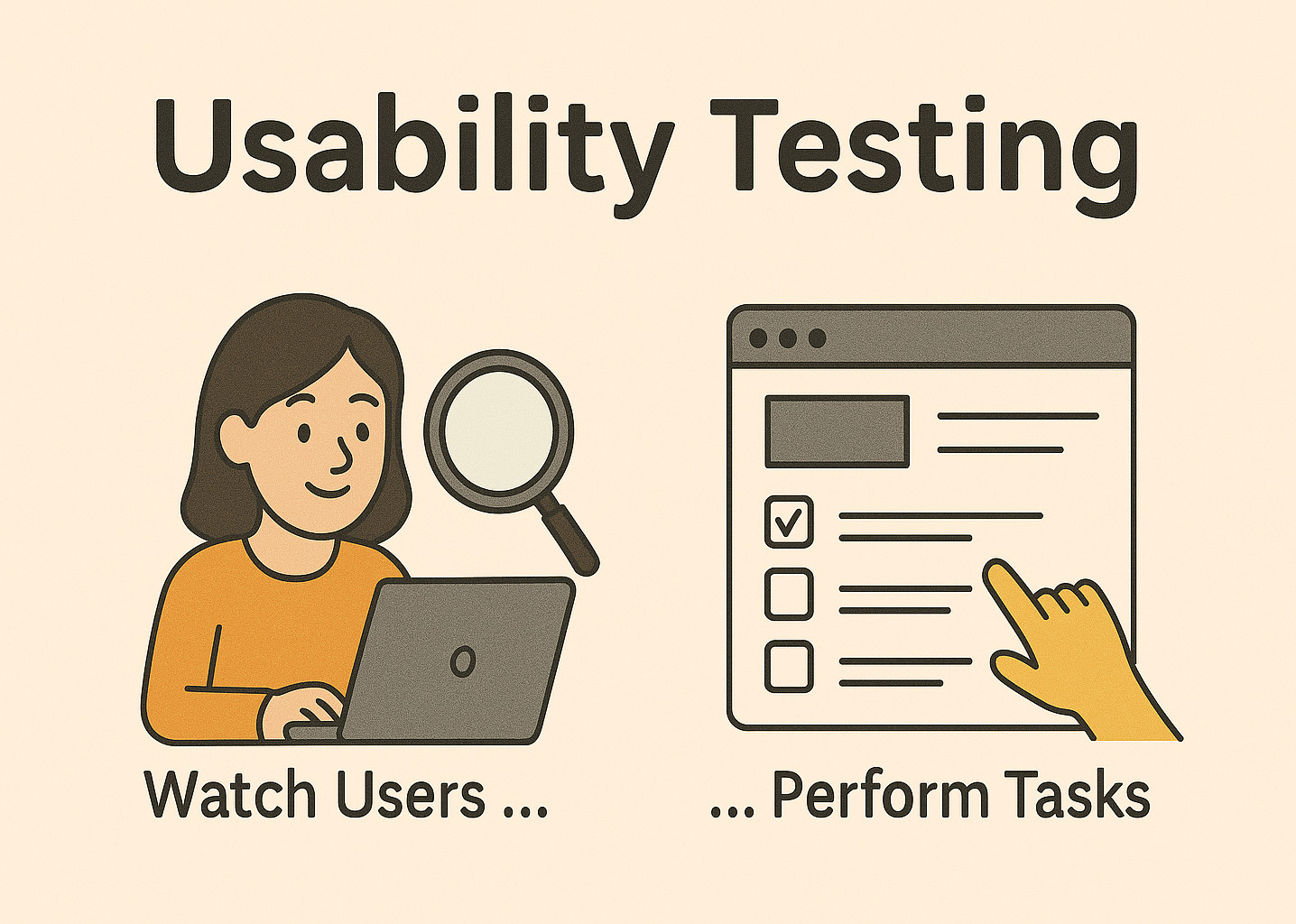
Competitor research is one of the fastest ways to generate creative insights, but only if you approach it systematically. Here is a practical workflow.
Step 1: Define Your Research Scope
Before opening any tool, decide what you need to learn. Are you researching a new market? Testing a new product angle? Looking for hooks for a specific platform?
Your scope determines your search approach. For example:
- New market entry: Search by broad category keywords to see what top brands are running.
- Competitor deep dive: Search by specific advertiser names or domains.
- Creative format exploration: Filter by ad type, platform, or media format.
Step 2: Collect a Meaningful Sample
Do not base decisions on three ads. Collect 20 to 50 ads from multiple competitors or a single competitor over time. Look for ads that have been running for a while, since longevity suggests sustained performance.
Pay attention to duplicate counts. When multiple advertisers run similar creative structures, that is a market signal. When one advertiser runs many variations of the same hook, that hook is probably working.
Step 3: Tag and Categorize
Create a simple spreadsheet or document. For each ad, record:
- Hook type (question, statistic, story, bold claim, demonstration)
- Visual style (UGC, studio, animation, screen recording, static image)
- Message angle (pain point, social proof, feature, price, urgency)
- CTA phrasing
- Platform and format
- Approximate run time
This tagging process forces you to see patterns instead of individual ads.
Step 4: Identify Patterns and Anomalies
Once tagged, look for repetition. What appears across multiple high-performing ads? What is conspicuously absent? Anomalies matter too: an unusual format that keeps running may indicate a creative edge worth studying.
Step 5: Translate Patterns Into Hypotheses
A pattern is not yet an insight. Turn it into a testable hypothesis. For example:
- Pattern: Top ads in the skincare niche open with a close-up texture shot.
- Hypothesis: A close-up texture shot in the first two seconds will improve hook rate for our skincare product.
Now you have something to test, not just something to admire.
A Practical Creative Insights Framework
Creative Insights: Turn Ad Data Into Winning Ideas - A Practical Creative Insights Framework.
Use this simple framework to turn raw observations into actionable direction.
The Hook-Format-Message Triangle
Every ad creative can be broken into three layers:
Hook: The first one to three seconds that stop the scroll. Format: The structural container, such as UGC video, carousel, or static image. Message: The core promise, angle, or emotional appeal.
When analyzing competitor ads, evaluate each layer separately. A competitor may have a strong hook but a weak message. You can borrow the hook structure while improving the message. That is not copying; it is competitive analysis.
The 3x3 Creative Insight Matrix
For any research project, answer three questions across three dimensions:
| Dimension | Question 1: What works? | Question 2: What is missing? | Question 3: What can we test? |
|---|---|---|---|
| Hook | Which hook types appear most often in long-running ads? | Which hook types are absent from the market? | Can we test an absent hook type against the market standard? |
| Format | Which formats dominate the niche? | Which formats are underused? | Can we test an underused format with our best message? |
| Message | Which angles do top ads emphasize? | Which customer pain points are ignored? | Can we lead with an ignored pain point? |
This matrix prevents you from simply mimicking competitors. It pushes you toward differentiation.
Common Creative Insight Mistakes to Avoid
Mistake 1: Copying Instead of Learning
Seeing a competitor's winning ad and recreating it nearly identically is not a creative insight. It is imitation, and it often fails because audiences recognize the sameness. The goal is to understand why the ad works and apply that principle to your own unique creative.
Mistake 2: Overweighting a Single Data Point
One viral ad does not make a trend. Look for repeated patterns across multiple advertisers, multiple ads, and multiple weeks before drawing conclusions.
Mistake 3: Ignoring Context
An ad that works for a well-known brand with a large retargeting audience may not work for a cold audience seeing your brand for the first time. Always consider the audience, funnel stage, and brand awareness level behind the ads you study.
Mistake 4: Separating Creative From Media
Creative insights are most powerful when connected to media outcomes. A hook that drives high click-through but poor conversion is not a winning hook. Always evaluate creative elements alongside downstream metrics.
Tools That Support Creative Insights Workflows
You do not need a massive tech stack to start, but the right tools accelerate the process considerably.
Ad Intelligence and Spy Tools
Ad spy tools give you visibility into competitor campaigns across platforms. PrimeSpy is one option that supports smart search by keyword, URL, or advertiser, plus advanced filters and ad metrics like reach, spend, and duplicates. It covers Facebook, TikTok, and Meta Ad Library, which is useful for ecommerce, dropshipping, TikTok Shop, apps, and other business types. The credit-based model includes a free trial with 500 credits, making it accessible for initial research.
For a broader comparison of options, see our guide to the Top 10 Shopify Spy Tools in 2026 and our Shopify Spy Tools workflow guide.
Creative Analytics Platforms
Platforms like Smartly connect creative elements to performance KPIs automatically. Their AI Theme Analysis breaks each creative into key content, CTAs, visuals, and descriptions, then shows what drives impact. This type of tool is more common at the enterprise level but demonstrates where the industry is heading.
Manual Research Tools
Meta Ad Library and TikTok Creative Center are free starting points. They lack advanced filtering and metrics, but they give you raw visibility into active ads. Combine them with a structured tagging system and you can generate useful insights without any paid tool.
How PrimeSpy Fits Into a Creative Insights Workflow
PrimeSpy positions itself as a research tool that replaces guesswork with data-driven insights. In practice, that means it fits into the competitor research phase of the workflow described above.
Here is how a typical PrimeSpy research session might look:
- Search by keyword related to your niche, such as "pet grooming" or "posture corrector."
- Filter results by platform, ad type, or date range to narrow the sample.
- Review ad metrics like reach and duplicate counts to identify long-running, high-exposure ads.
- Download creatives for closer study and tagging.
- Track specific advertisers over time to see how their creative strategy evolves.
This workflow supports the tagging and pattern-identification steps without requiring manual scrolling through ad libraries. The key is to use the tool for research, then apply your own analytical framework to turn observations into insights.
For teams deciding between tools, our PrimeSpy vs SocialPeta comparison breaks down ad coverage, search depth, pricing, and workflow fit.
From Insight to Action: A Simple Process
Creative insights only create value when they change what you produce. Here is a lightweight process for turning insights into creative briefs.
1. Document the Insight
Write a single sentence that captures the insight clearly. Example: "In the meal delivery niche, ads that show the unboxing moment in the first three seconds appear in 70% of long-running campaigns."
2. Define the Test
Specify what you will create differently. Example: "Produce two video variants: one with an unboxing hook and one with a problem-solution hook. Run both to the same cold audience."
3. Set Success Criteria
Decide in advance what metric determines success. Hook rate? Cost per click? Conversion rate? Without a pre-defined criterion, you will rationalize results after the fact.
4. Run and Document
Launch the test, let it reach statistical significance, and record the outcome. Add the result to your growing creative insight library.
5. Iterate
Use the result to inform the next round of creative. Over time, your team builds an internal playbook of what works for your specific audience, product, and market.
Related reading
- Vibemyad Review 2026: AI Ad Intelligence Tested - Evidence-based Vibemyad review covering the 10M+ ad vault, visual search, Ad Spider, AI creative generation, pricing signals, limitations, and best-fit users.
- Top 10 AI Ad Generation Platforms in 2026 - Compare the 10 best AI ad generation platforms for 2026. Evidence-based rankings, pricing, output formats, and best-fit use cases for ecommerce and agencies.
Sources and further reading
- Home | Creative Insights, Inc. - What’s in a name? A rose by any other name would not smell as sweet.
- Creative Insights - The nature and nurture of creativity.
Frequently Asked Questions
What is the difference between creative insights and creative analytics?
Creative analytics is the measurement layer: collecting and organizing performance data for creative assets. Creative insights are the interpretation layer: understanding why certain elements perform and what to do about it. Analytics provides the raw material; insights provide the direction.
How do I find creative insights without expensive tools?
Start with free resources like Meta Ad Library and TikTok Creative Center. Create a structured tagging system for hooks, formats, and messages. Track competitor ads manually over several weeks. Even without paid tools, consistent observation and documentation will surface meaningful patterns.
Can I use competitor ads as inspiration without copying?
Yes. Focus on understanding the underlying principles: the hook structure, the emotional appeal, the format choice. Apply those principles to your own unique brand voice, product, and audience. Copying specific creative assets is both ethically questionable and strategically weak.
How many ads should I analyze before drawing conclusions?
Aim for at least 20 to 30 ads from multiple competitors or a single competitor over time. Look for patterns that repeat across at least three to five different advertisers before treating them as market signals.
What is the most important creative element to analyze first?
The hook. If your ad does not stop the scroll in the first few seconds, nothing else matters. Start your creative insight research by studying hook structures across your niche, then move to format and message.
How often should I refresh my creative insights?
Creative trends shift quickly, especially on TikTok and short-form video platforms. Review competitor activity at least monthly. If you are in a fast-moving niche like dropshipping or trending products, weekly checks are more appropriate.
Conclusion
Creative insights are not a luxury reserved for enterprise marketing teams. They are a discipline: a systematic way of observing what works, understanding why, and applying those lessons to your own creative production.
The process is straightforward. Define your research scope. Collect a meaningful sample of competitor ads. Tag and categorize what you find. Identify patterns and anomalies. Turn those patterns into testable hypotheses. Then run tests and document the results.
Tools like PrimeSpy can accelerate the research phase by aggregating competitor ads and metrics across platforms. But the tool is only as valuable as the analytical framework you apply. The real competitive advantage comes from turning raw data into creative direction that your competitors have not yet discovered.
Start small. Pick one niche, one competitor, or one creative element. Run the workflow once. The insights you generate will almost certainly outperform whatever your gut instinct was telling you last week.