

First-Party Data: Definition, Examples & Strategy Guide
First-party data is information your business collects directly from its own audience through channels you own. That includes website visits, app activity, purchase history, email clicks, support chats, loyalty program behavior, and survey responses — all gathered with the user's knowledge and consent.
As third-party cookies lose reliability and privacy rules tighten, first-party data has moved from a nice-to-have to the foundation of sustainable marketing. It powers personalization, sharpens ad targeting, improves attribution, and gives you a durable asset that no browser update or platform policy can take away.
This guide explains how first-party data works, how it compares with second-, third-, and zero-party data, where to collect it, and how to turn it into better campaigns.
What Is First-Party Data?
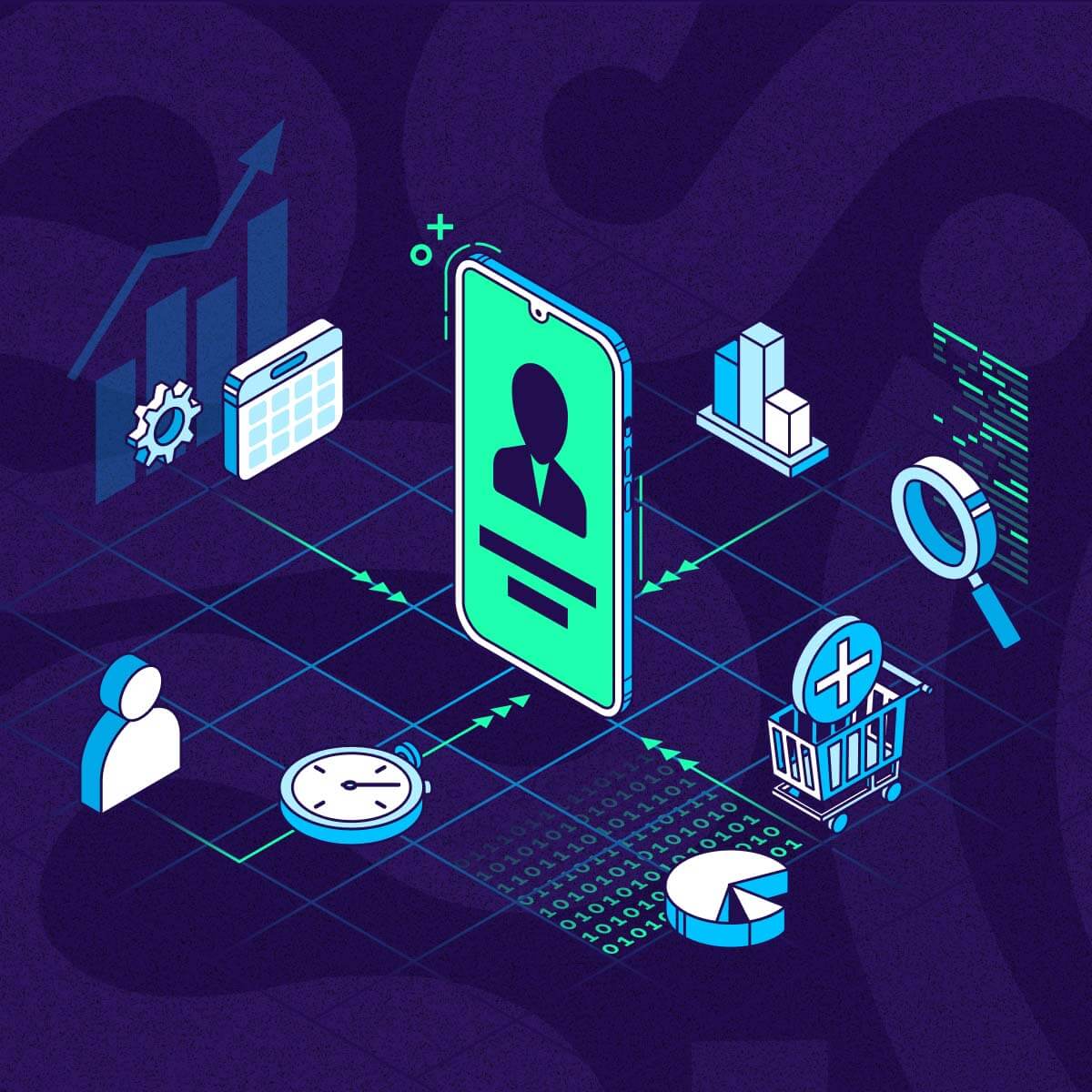
First-Party Data: Definition, Examples & Strategy Guide - What Is First-Party Data?.
First-party data is any information you gather directly from interactions with your customers and prospects on your own properties. Because the relationship is direct, you control the collection method, the consent trail, and the quality of the signal.
Common first-party data sources include:
- Website and mobile app behavior, such as page views, clicks, and time on page
- Purchase history, subscriptions, renewals, and returns
- Email, SMS, push, and in-app engagement
- CRM records and sales conversations
- Customer support tickets and live chat transcripts
- Loyalty program activity and account preferences
- Survey responses, feedback forms, and quiz results
What makes this data uniquely valuable is that it reflects actual behavior from real customers — not modeled guesses from an outside vendor. A clothing retailer that tracks which categories a logged-in shopper browses is working with first-party data. A SaaS platform that monitors which features a user touches during onboarding is too.
Why First-Party Data Matters More Than Ever
First-Party Data: Definition, Examples & Strategy Guide - Why First-Party Data Matters More Than Ever.
Two forces have pushed first-party data to the center of marketing strategy.
The Decline of Third-Party Cookies
Safari and Firefox already block third-party cookies by default. Apple gives iOS users explicit controls to opt out of tracking. Google has shifted Chrome toward a user-choice model rather than a full block, but the broader direction is clear: third-party signals are becoming less dependable for audience building, attribution, and activation.
That means the data you collect directly is no longer just one input among many. It is often the only reliable input you have.
Rising Expectations for Personalization
Customers expect relevant, timely experiences. They want recommendations based on what they actually browsed, not generic batch-and-blast messaging. First-party data is what makes that possible. A streaming service that suggests unwatched content based on viewing history, or an ecommerce store that surfaces products complementary to past purchases, is activating first-party data to earn attention and loyalty.
First-Party vs Second-Party vs Third-Party vs Zero-Party Data

First-Party Data: Definition, Examples & Strategy Guide - First-Party vs Second-Party vs Third-Party vs Zero-Party Data.
These four categories describe where data comes from and how directly it is tied to a customer relationship.
| Data type | Who collects it | How you get it | Reliability |
|---|---|---|---|
| First-party | Your brand | Directly from your own channels | High |
| Second-party | Another company | Through a direct partnership or data-sharing agreement | Medium-high |
| Third-party | An external aggregator | Purchased or licensed from data brokers | Low-medium |
| Zero-party | The customer | Voluntarily shared via quizzes, preference centers, or surveys | High |
First-party data is collected by you through your own touchpoints. It reflects how people engage with your brand.
Second-party data is someone else's first-party data that you access through a direct partnership. For example, a publisher may share audience segments with an advertiser, or two non-competing brands may exchange data as part of a co-marketing agreement.
Third-party data is aggregated by an external provider from many sources and then sold or licensed. Because it is collected indirectly, it is often less transparent, harder to validate, and less durable as platform rules change.
Zero-party data is information a customer intentionally and proactively shares — preferences, interests, goals, or purchase intent. It is typically captured through preference centers, quizzes, surveys, and interactive experiences where the value exchange is explicit.
First-party data is the most durable category because it comes from direct engagement and can be collected with clear consent and stronger governance. Zero-party data is often treated as a subset of first-party data, but the distinction matters: zero-party data is volunteered, while first-party data is observed.
Benefits of First-Party Data

First-Party Data: Definition, Examples & Strategy Guide - Benefits of First-Party Data.
More Relevant Customer Engagement
First-party data lets you segment audiences with precision and understand preferences based on actions rather than assumptions. You can identify high-value customers, suppress audiences who already purchased, and tailor messaging to actual behavior. This relevance increases click-through rates, conversions, and satisfaction.
Better Marketing Efficiency
When you track performance against customer behavior you control, you can shift budget toward tactics that drive conversions and stop investing in strategies that don't. First-party data helps you build and refresh audiences using real-time engagement signals, reducing wasted spend on paid media and improving ROI.
Stronger Customer Trust and Retention
Transparent collection — where customers see the value in faster checkouts, better recommendations, and fewer irrelevant messages — builds trust. That trust strengthens relationships, reduces churn, and increases lifetime value.
Clearer Attribution and Optimization
With first-party data, you can track customer journeys across touchpoints you own, measure campaign impact accurately, and optimize based on verified outcomes rather than estimated attribution. You can also activate data in real time: abandoned cart reminders within minutes, welcome sequences triggered immediately after sign-up, or re-engagement campaigns based on recent inactivity.
How to Collect First-Party Data
Collecting first-party data requires transparency and mutual value. Customers share information when they understand what they get in return.
1. Define Your Goals
Start with what you want to achieve. Are you trying to increase repeat purchases, acquire customers for a new product, improve support, or build loyalty? Your goals determine which data points matter and which collection methods to prioritize.
2. Identify Your Data Sources
Map every system that already captures customer information: your website analytics, CRM, email platform, support desk, loyalty program, and social channels. You likely have more first-party data than you realize — it is just siloed.
3. Standardize and Consolidate
Data spread across systems is often stored in different formats and updated on different schedules. A standardization strategy defines how each data type should be formatted, cleansed, and compiled. A customer data platform (CDP) can consolidate first-party data into a unified view for marketing, sales, and support teams.
4. Create Value Exchanges
Give people a reason to share. Effective collection methods include:
- Preference centers where users choose topics, frequency, and channels
- Quizzes and product finders that deliver personalized recommendations
- Loyalty programs that reward engagement and purchases
- Gated content such as guides, webinars, or tools in exchange for an email
- Post-purchase surveys that capture feedback while the experience is fresh
The key is to make the exchange explicit: share this preference, get a better experience.
How to Activate First-Party Data in Marketing
Email and Lifecycle Marketing
A DTC skincare brand can track which product pages a subscriber visited before signing up, then trigger a welcome sequence featuring exactly those products. That beats any generic campaign. Behavioral data also powers abandoned cart flows, win-back sequences, and post-purchase cross-sells.
Paid Media and Audience Targeting
Upload your CRM list to ad platforms to build matched audiences of current customers, then create lookalike audiences to prospect for net-new leads with similar profiles. This is one of the most direct ways to turn first-party data into ad performance.
Content Personalization
A media company can monitor which topic categories a logged-in reader engages with most, then dynamically surface articles in those categories first. The same logic applies to ecommerce homepages, app dashboards, and product recommendations.
Predictive Analytics
By studying website traffic patterns, you can predict what a consumer is likely to do next. If a visitor follows a particular path through your site and views specific product information, you can surface content, offers, and recommendations designed to drive that desired action.
First-Party Data and Ad Research
First-party data tells you what your own audience does. But it has a blind spot: it only reflects people who already interact with you. To understand what is working in your market before you spend, you need a different kind of signal — competitive ad intelligence.
That is where tools like PrimeSpy fit into a broader data strategy. PrimeSpy is a multi-platform ad spy tool that helps marketers, dropshippers, and ecommerce businesses discover winning ads and analyze competitor creatives across Facebook, TikTok, and Meta Ad Library. While your first-party data shows how your customers behave, PrimeSpy shows what is capturing attention across your category — which angles, hooks, and creative formats are actually driving reach and spend for other advertisers.
Used together, the two data sources create a feedback loop. First-party data reveals what resonates with your existing audience. Ad intelligence reveals what is working in the wider market. That combination helps you validate product ideas, refine creative direction, and avoid copying competitors blindly. For a deeper look at how ad spy tools support this workflow, see TikTok Ads in 2026: Formats, Costs, Strategy & Ad Spy Tools.
First-Party Data Examples by Business Type
Ecommerce
An online retailer tracks which product categories a logged-in shopper browses most frequently. That behavioral data feeds email recommendations, on-site personalization, and retargeting audiences. Purchase history powers replenishment reminders and accessory cross-sells.
SaaS
A project management platform monitors which features individual users engage with during their first 30 days. The customer success team uses those signals to trigger personalized onboarding sequences, reducing churn before it starts.
B2B Services
A marketing agency asks new clients during onboarding which channels they currently invest in and what their biggest growth challenge is. Those answers shape every proposal, campaign, and check-in going forward.
Media and Publishing
A publisher tracks which topic categories a logged-in reader engages with most, then personalizes the homepage and email newsletters around those interests.
Common First-Party Data Mistakes to Avoid
Collecting Without a Use Case
Data for its own sake creates storage costs and privacy risk without return. Every collection point should map to a specific activation: a segment, a trigger, a personalization rule, or an optimization decision.
Ignoring Data Quality
Duplicate records, inconsistent formatting, and stale fields undermine every downstream use. Standardize formats, deduplicate regularly, and validate data at the point of collection.
Neglecting Consent and Transparency
First-party data depends on trust. If customers don't understand what you collect or why, they will opt out or disengage. Make consent clear, explain the value exchange, and honor preferences across every channel.
Keeping Data in Silos
If your email platform, CRM, and analytics tool don't talk to each other, you can't build a unified customer view. Consolidate data in a CDP or data warehouse so every team works from the same source of truth.
Related reading
- PrimeSpy vs Vibemyad: Which Ad Tool Wins in 2026? - Compare PrimeSpy and Vibemyad for ad discovery, competitor tracking, creative generation, and pricing. See which ad intelligence platform fits your workflow.
- Swipekit Review 2026: Ad Research Tool Tested - Evidence-based Swipekit review: pricing, platform coverage, Brand Tracker, AI Scriptwriter, setup, limitations, and who should use it in 2026.
Sources and further reading
- What Is First-Party Data? Definition & Examples | Braze - Want better personalization and measurement? See what first-party data is, why it matters, how to collect it, and examples you can apply across channels.
- What is first-party data (+ second-party and third-party data)? - First-party data is data you collect directly from your audience. Learn how it compares to second- and third-party data and build a smarter strategy fast.
- What Is First-Party Data? Definition, Examples & Guide - First-party data explained: what it is, real examples, and 7 strategies to build a first-party data foundation as third-party cookies lose reliability.
FAQ
What is first-party data in simple terms?
First-party data is information your business collects directly from your own customers and audience through channels you own — your website, app, email, store, or support interactions. It reflects real behavior from real people who have interacted with your brand.
What is the difference between first-party and zero-party data?
First-party data is observed through customer interactions, such as page views or purchase history. Zero-party data is information a customer intentionally and proactively shares, such as preferences, interests, or goals submitted through a quiz or preference center. Zero-party data is often considered a subset of first-party data.
Why is first-party data important for advertising?
First-party data lets you build matched audiences from your CRM, create lookalike audiences for prospecting, suppress existing customers from acquisition campaigns, and personalize ad creative based on actual behavior. As third-party cookies lose reliability, these direct signals become the most dependable input for ad targeting and measurement.
How do you collect first-party data?
You collect first-party data through website and app tracking, purchase records, email and SMS engagement, CRM systems, loyalty programs, support interactions, surveys, and preference centers. The most effective collection methods offer a clear value exchange, such as personalized recommendations or faster checkouts.
What is a first-party data strategy?
A first-party data strategy is a plan for collecting, standardizing, storing, and activating customer data across your organization. It starts with business goals, identifies data sources, defines data quality standards, and maps each data point to a specific marketing or customer experience use case.
Is first-party data compliant with privacy regulations?
First-party data can be compliant when collected with clear consent, transparent disclosure, and proper governance. Regulations like GDPR and CCPA require that customers understand what data is collected, why, and how it will be used. Direct collection with consent is generally more compliant than purchasing third-party data.
Conclusion
First-party data is the most durable, accurate, and actionable asset in modern marketing. It powers personalization, improves ad efficiency, strengthens retention, and provides the attribution clarity that third-party signals can no longer guarantee.
Building a first-party data strategy is not a one-time project. It requires clear goals, disciplined collection, standardized infrastructure, and a commitment to transparency. But the payoff is substantial: a direct line to customer behavior that no algorithm change or platform policy can sever.
Start by auditing the data you already collect, identify the gaps that matter for your goals, and build value exchanges that make customers want to share. Then pair those insights with market-level intelligence — such as ad research through tools like PrimeSpy — to make decisions grounded in both your own audience and the broader competitive landscape. For more on turning data into campaign decisions, explore Ad Analytics: Metrics, Tools, and Strategy for 2026.