
Dropship Setup: The Complete Step-by-Step Guide for 2026
Dropship setup is the process of building an online store that sells products you never physically stock. A supplier holds the inventory, packs each order, and ships it to your customer under your brand. Your job is to choose what to sell, build the storefront, connect payments and fulfillment, and drive traffic that converts.
The model removes warehouses, bulk inventory, and most upfront risk, which is why the global dropshipping market passed $351 billion in 2024 and is projected to approach $2.5 trillion by 2034. But a store that launches in a weekend can still fail in a month if the setup skips the parts that matter: product validation, supplier reliability, and a checkout that does not leak buyers.
This guide walks through the full dropship setup sequence, from niche selection to your first profitable ad campaign, with the practical checks most beginner tutorials leave out.
What Dropship Setup Actually Involves
Dropship Setup: The Complete Step-by-Step Guide for 2026 - What Dropship Setup Actually Involves.
A working dropshipping operation has five moving parts:
- A product catalog you control, priced for profit
- A supplier who stocks, packs, and ships on your behalf
- An ecommerce platform that hosts the store and processes orders
- Payment and shipping configuration that customers trust at checkout
- Traffic and creative that brings buyers to the product page
You are not running a logistics company. You are running a marketing and merchandising business with a fulfillment partner behind it. That distinction should shape every setup decision, especially how much time you spend on store design versus product and ad research.
Step 1: Pick a Niche With Real Demand
Dropship Setup: The Complete Step-by-Step Guide for 2026 - Step 1: Pick a Niche With Real Demand.
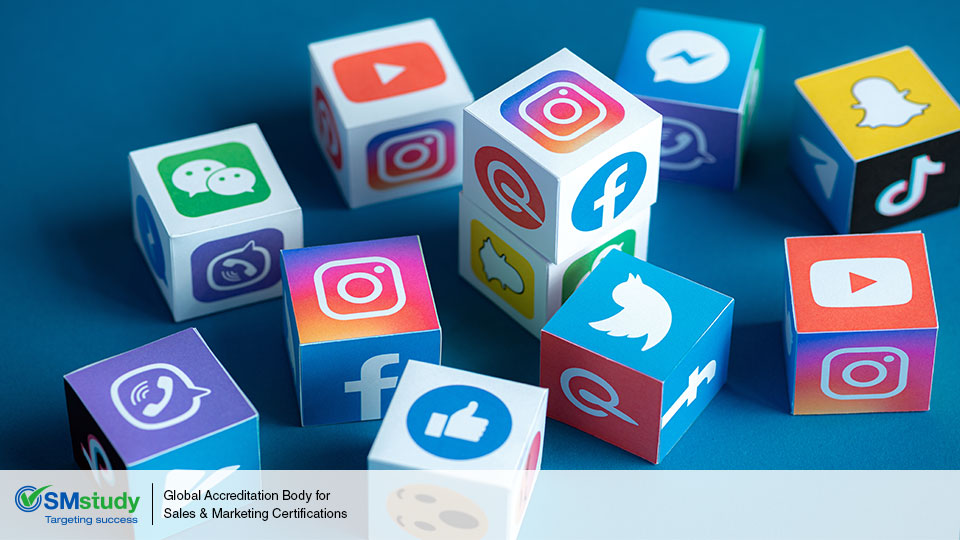
Market research is the first filter. Browse Amazon, Etsy, and eBay to find categories with active buyers but not overwhelming saturation. Social platforms are equally useful: what people share, comment on, and buy from short videos often signals demand before it shows up in marketplace rankings.
A focused niche beats a general store. Eco-friendly home goods, gear for a specific sport, or accessories for a defined pet breed all let you speak directly to one audience instead of everyone.
Practical check: before committing, confirm at least three products in the niche have recent, verifiable sales signals, not just high search volume.
Step 2: Validate Products Before You Build the Store
Dropship Setup: The Complete Step-by-Step Guide for 2026 - Step 2: Validate Products Before You Build the Store.
The most common dropship setup mistake is building a store around a product that has never been tested. Instead, reverse the order: find evidence that a product is already selling, then build around it.
Ad libraries and ad intelligence tools are the fastest way to see what competitors are actively spending on. PrimeSpy is built for this stage. It searches Facebook, TikTok, and the Meta Ad Library by keyword, URL, or advertiser, and surfaces ad metrics such as reach, spend, and duplicate counts, plus daily top products. For a dropshipper, that means you can see which creatives are being scaled, how long they have been running, and which products keep appearing across multiple advertisers.
A simple validation workflow:
- Search your niche keyword in an ad spy tool.
- Filter for ads running more than two weeks, since sustained spend usually signals profitability.
- Note the product, angle, and offer structure.
- Check whether the same product appears under several advertisers, which suggests a proven market rather than a single lucky seller.
- Build your store around the validated product, with your own creative and positioning.
If you want a broader comparison of research tools before committing, see how PrimeSpy, Winning Hunter, and Niche Scraper compare on pricing, platform coverage, and workflow fit.
Step 3: Choose a Platform and Build the Store
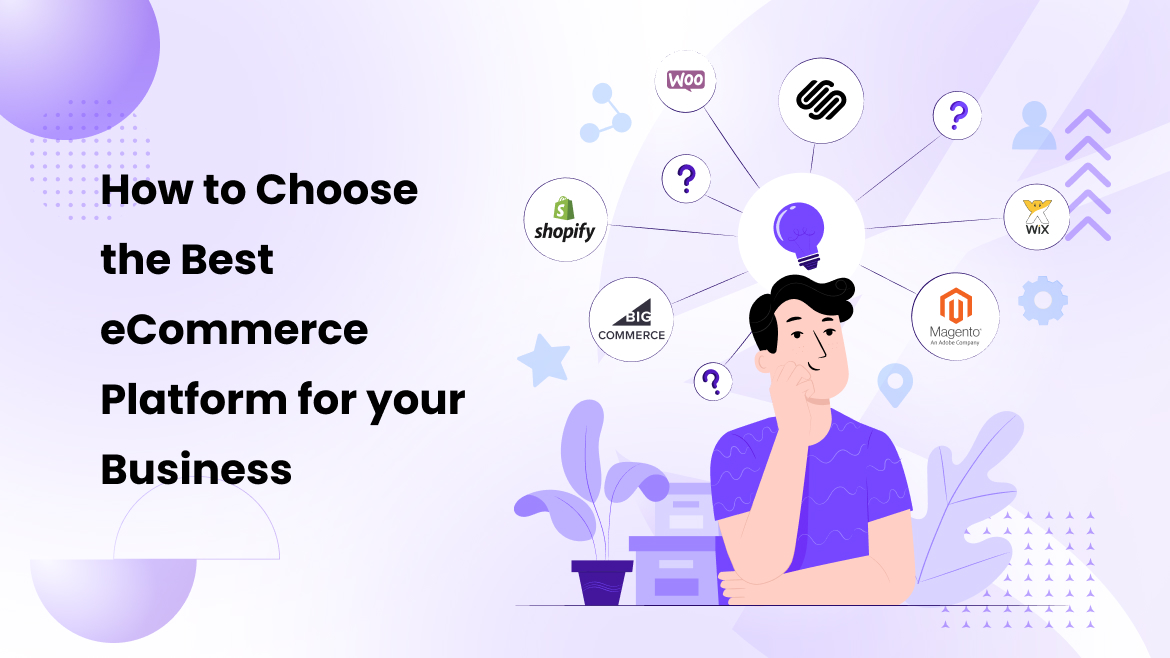
Dropship Setup: The Complete Step-by-Step Guide for 2026 - Step 3: Choose a Platform and Build the Store.
Platform choice depends on your design preferences, budget, and the integrations you need. Shopify is the default for most dropshippers because of its app ecosystem and supplier integrations; it hosts over 4.82 million active stores worldwide. WooCommerce appeals to sellers who want deeper customization and lower platform costs.
When you set up the store itself:
- Keep the catalog small at launch. Five to ten products is enough to test.
- Write product descriptions that answer objections, not just list features.
- Use original images and video. Supplier photos appear on dozens of competing stores.
- Make shipping timelines and return terms visible before checkout, not buried in a policy page.
If you are running Shopify, keep your login and store-switching workflow organized from day one, especially once you manage more than one storefront.
Step 4: Select Suppliers You Can Actually Rely On
Supplier quality decides whether your store survives its first hundred orders. Before committing, verify:
- Shipping speed and warehouse locations. Multiple warehouses reduce transit times for different regions.
- Hidden fees. Check per-order costs, packaging charges, and any minimum order terms.
- Return policy. Confirm who pays for returns and how disputes are handled.
- Communication. Test response time before you send real orders. A supplier who replies in 48 hours during the sales pitch will reply slower during a peak season.
Automated order routing through platform apps reduces manual work, but automation does not fix a bad supplier. Test with a small batch of orders first.
Step 5: Configure Payments, Shipping, and Trust Signals
Payment setup is where many stores quietly lose revenue. Configure a gateway that supports the methods your audience actually uses: cards, digital wallets such as Apple Pay and Google Pay, and local payment options for international buyers. Stripe, for example, supports payments in more than 135 currencies and provides merchant account functionality as part of its processing services.
On the shipping side:
- Set clear shipping thresholds and estimated delivery windows.
- Display tracking information proactively rather than waiting for support tickets.
- Publish a refund policy that matches what your supplier will actually honor.
Trust signals matter more in dropshipping than in almost any other ecommerce model, because customers are buying from a brand they have never heard of and waiting longer than Amazon Prime has trained them to expect.
Step 6: Test the Store Before You Spend on Ads
Run a small-scale test before launch. Ask a handful of people to browse the store, read the product page, and complete a test order. Watch where they hesitate. Common problems include unclear pricing, confusing variant selectors, and checkout fields that feel excessive.
Fix these before buying traffic. A conversion rate improvement of even half a percentage point changes the math on every ad campaign you run afterward.
Step 7: Launch Traffic and Track What Works
Once the store converts, paid traffic becomes the growth engine. This is where ad research pays off a second time: you already know which angles are working in your niche, so your first campaigns start from evidence rather than guesses.
Track three numbers from day one:
- Cost per click on each creative
- Conversion rate on the product page
- Cost per acquisition against your margin
Cut creatives that fail the CPA threshold quickly, and scale the ones that beat it. For a deeper look at channel selection and campaign structure, see this guide to ecommerce advertising strategies and tools.
Common Dropship Setup Mistakes to Avoid
- Building the store before validating the product. Design is cheap; inventory risk is not.
- Choosing suppliers on price alone. The cheapest supplier often costs the most in refunds and chargebacks.
- Copying competitor creatives verbatim. Use ad research to understand angles, then produce original assets.
- Skipping mobile checkout testing. Most dropshipping traffic is mobile, and most checkout friction is mobile too.
- Scaling ads before the store converts. Traffic to a broken funnel just burns budget faster.
Related reading
- AdSkate Login: Sign In, Access Your Dashboard & Fix Issues - Step-by-step AdSkate login guide for desktop and mobile. Learn how to sign in, access your dashboard, reset your password, and fix common login issues.
Sources and further reading
- Step by step guide to get started : r/dropship - Reddit - Feb 6, 2023 ... Research and choose a niche: Choose a product or a category of products you want to sell. · Select a platform: Decide on an ecommerce platform to ...
- How to Start Dropshipping THE LAZY WAY (Step By Step) FREE COURSE - EVERYTHING YOU NEED HERE! ⤵️1. Get a FREE Store Built By Ai: https://www.buildyourstore.ai/baddie-in-business/ 🤖2. AutoDS: https://www.autods.com/blj93. UGC...
- How to start a dropshipping business | Stripe - Learn the steps you need to know to start a dropshipping business, including collecting payment and overcoming common challenges.
FAQ
How long does dropship setup take?
A functional store can be built in a weekend, but a validated setup, including product research, supplier verification, and a tested checkout, typically takes one to three weeks. Rushing validation is the most expensive shortcut.
How much money do I need to start dropshipping?
You can launch with a small budget covering a platform subscription, a domain, and initial ad spend. The main variable cost is testing traffic. Keeping the catalog small and validating products before building reduces wasted spend.
Do I need a supplier before I build the store?
You should have at least one verified supplier before launch, but you can build the store while finalizing supplier terms. Confirm shipping times and return handling before you accept your first order.
How do I find winning products for a dropshipping store?
Use ad intelligence tools to see which products competitors are actively scaling. Ads that run for weeks with consistent spend usually indicate a profitable offer. Look for the same product across multiple advertisers as a stronger signal.
What is the biggest reason dropshipping stores fail?
Weak product validation combined with unreliable suppliers. If the product has no proven demand and the supplier ships slowly, no amount of store design or ad spend will fix the unit economics.
Conclusion
Dropship setup is less about building a beautiful store and more about sequencing decisions correctly: validate demand, secure a reliable supplier, configure payments and shipping, test the funnel, then scale traffic. The sellers who succeed treat product and ad research as the foundation, not an afterthought.
Start with a niche you understand, confirm demand with real ad data, and build the store around products that are already selling. For a deeper comparison of research platforms before you commit, review how PrimeSpy, AdsLibrary, and Minea stack up on pricing, platform coverage, and creative research.