
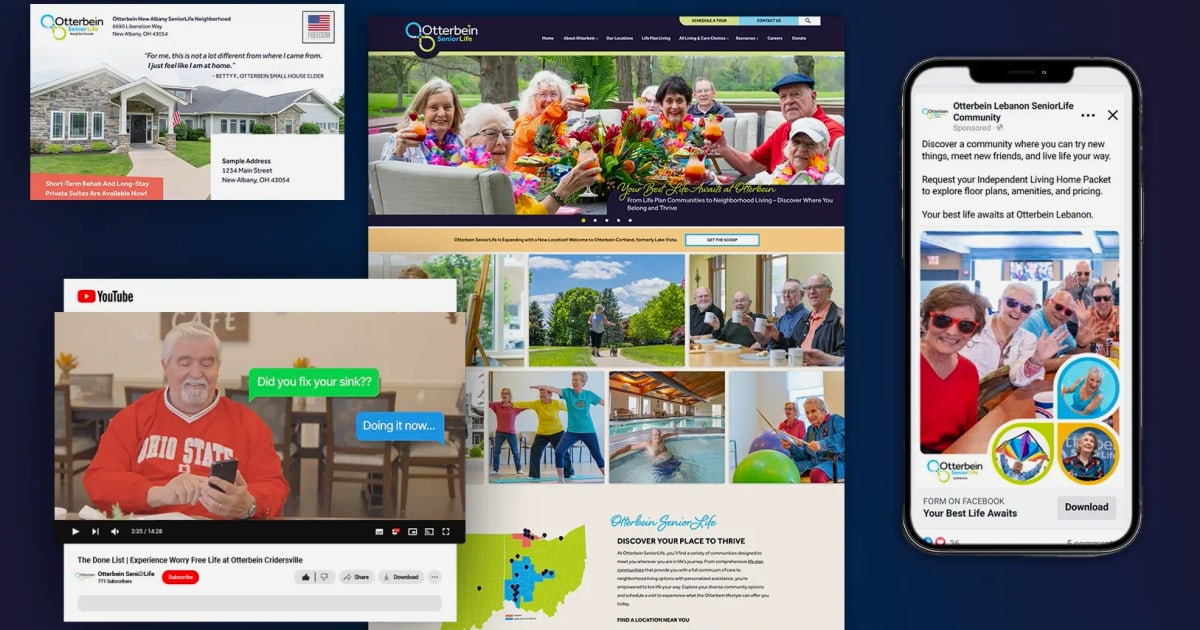
Winning Facebook Ad Ideas: 12 Formats That Convert in 2026
Most "Facebook ad ideas" lists show you pretty screenshots and stop there. That is not useful when you have a campaign to launch on Friday. What you actually need is a repeatable way to spot formats that are already working, understand why they work, and adapt them to your product without copying someone else's brand.
This guide breaks down twelve Facebook ad ideas worth testing in 2026, the creative rules that make each one perform, and a practical research workflow for finding proven concepts before you spend a dollar on testing.
Why Most Facebook Ad Ideas Fail Before They Launch
Winning Facebook Ad Ideas: 12 Formats That Convert in 2026 - Why Most Facebook Ad Ideas Fail Before They Launch.
Three problems kill ad concepts early:
- They are borrowed, not adapted. A meme format that fits a snack brand rarely fits a B2B tool. The structure transfers; the tone usually does not.
- They ignore the first three seconds. Meta's own creative guidance puts the key message in the opening moments of a video, because that is where attention is won or lost.
- They are never validated. Teams brainstorm in a doc, design five variants, and hope. Meanwhile, competitors are running dozens of live variations you could study for free.
The fix is to treat ad ideas as a research output, not a creative mood. Start from what is already running at scale, then rebuild it around your offer.
The 12 Facebook Ad Ideas Worth Testing in 2026
1. The Three-Second Hook Video
Open with the problem, the result, or a visual jolt — not a logo. Vertical, sound-on, captioned, and under 15 seconds for the hook segment. Meta's creative best practices emphasize vertical framing, sound, safe zones, and putting your message in the first three seconds.
Example use case: A skincare brand opens on a close-up of texture being applied, then cuts to the before/after at second two. No intro, no brand card.
2. UGC-Style Demo
A real person holding the product, talking to camera, showing one specific benefit. This format keeps working because it reads as content, not advertising. You do not need a studio — a phone, natural light, and a clear script outperform polished production more often than agencies admit.
3. The Number-Led Value Proposition
Lead with a concrete figure in the visual itself: "Save $10k," "Cut reporting time by 6 hours," "40% off first order." Numbers stop the scroll because they promise something measurable. Keep the headline inside the image, since many viewers never read the primary text.
4. Comparison Ad
Place your product next to the old way of doing things — a spreadsheet, a competitor category, a manual process. Comparison ads work especially well for software and subscription services because they make the switching decision concrete. Keep claims factual and verifiable.
5. Carousel That Teaches
Use each card for one step of a mini-tutorial: problem, method, proof, offer. Carousels earn extra engagement because users swipe, and they let you show multiple products or benefits without cramming a single image.
6. Text-Only or Minimal-Design Static
A bold font, one line of copy, high contrast. These ads stand out precisely because the feed is saturated with photography. Test them against your best image ad — the winner is often the cheaper one to produce.
7. Influencer or Creator Collaboration
Partner with a creator your audience already trusts and let them explain the product in their own voice. The strongest versions feel like the creator's content with your product in it, not a scripted brand spot.
8. Seasonal and Occasion Creative
Mother's Day, back-to-school, Black Friday, local holidays. Occasion ads give people a reason to act now. Refresh the creative for each occasion rather than recycling last year's asset with a new date.
9. Social Proof Stack
Ratings, review counts, "#1 recommended by," press logos, customer counts. Proof reduces risk at the moment of decision. Pair it with a clear call to action so the credibility converts into a click.
10. Question Hook
A single question that makes the viewer pause: "Still tracking competitors in a spreadsheet?" Questions work because the reader answers internally before they decide to keep scrolling.
11. Retargeting Reminder
For people who already visited, skip the introduction. Show the product, restate the offer, and remove friction — free shipping, a trial, a guarantee. Retargeting creative should look different from your cold-audience ads, not identical.
12. Motion on a Static
Take a strong static image and add subtle movement — a slow zoom, a floating element, a text reveal. It captures attention in feed placements without the cost of full video production.
What Makes These Ideas Work: The Common Threads
Across every format, the same principles repeat:
- One message per ad. If the viewer has to choose between two benefits, they choose neither.
- The visual carries the claim. Assume the primary text is half-read and put the core promise inside the image or the first frame.
- A clear call to action. "Shop now," "Start free trial," "See how it works" — pick one and make it obvious.
- Native to the feed. Ads that look like posts outperform ads that look like billboards.
- Built for testing. Produce variants of the hook, not variants of the whole concept, so you learn what actually moved performance.
How to Find Winning Facebook Ad Ideas Before You Test
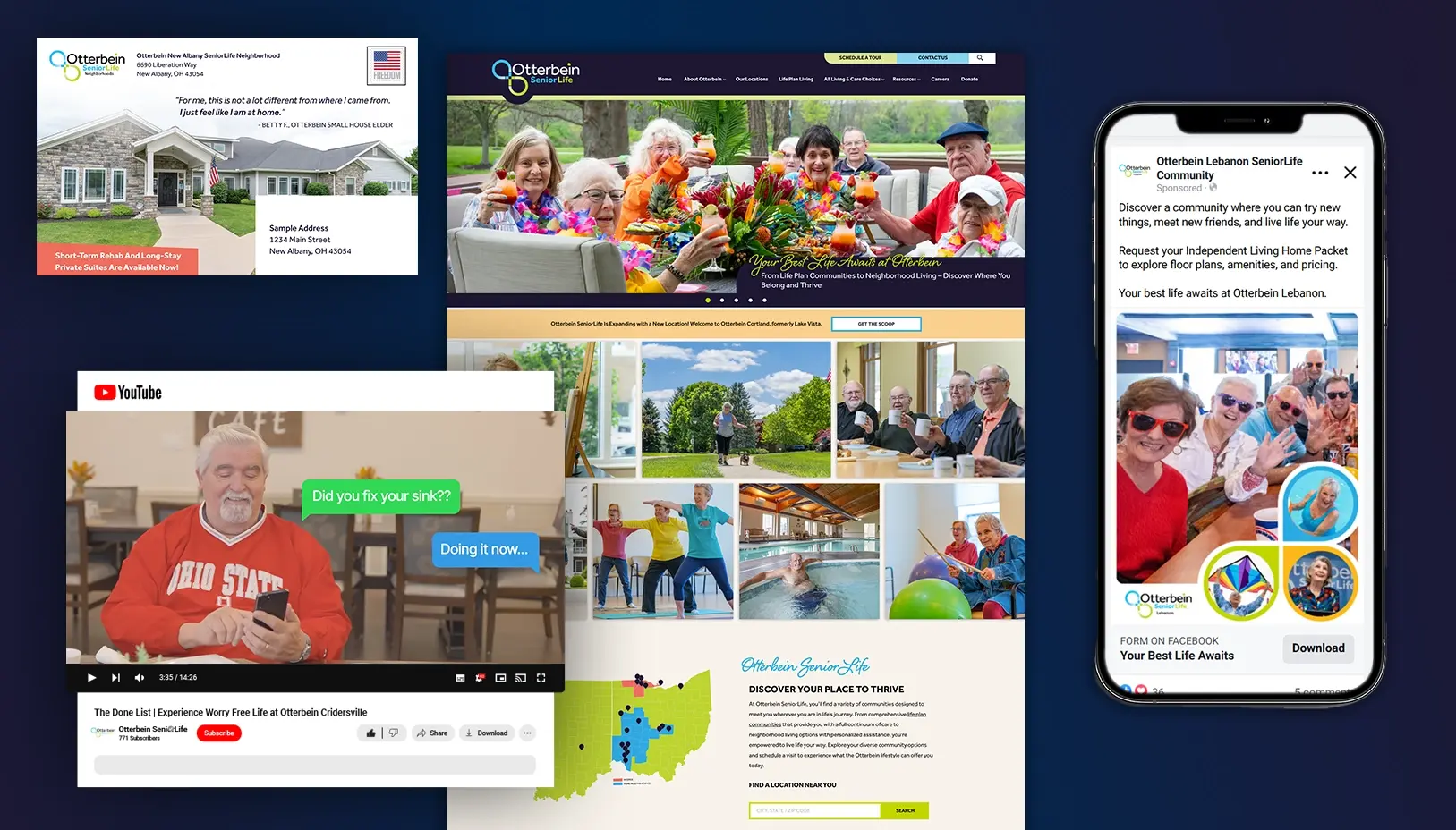
Winning Facebook Ad Ideas: 12 Formats That Convert in 2026 - How to Find Winning Facebook Ad Ideas Before You Test.
Brainstorming from scratch is the slowest path. The faster path is competitive research: find ads that are already running, figure out which ones have been live long enough to be profitable, and adapt the structure.
Step 1: Build a shortlist of advertisers
List five to ten brands your ideal customer would also consider — direct competitors, adjacent categories, and one or two out-of-category brands with strong creative. Mixing B2C and B2B references is a reliable way to generate non-obvious ideas.
Step 2: Study what is running and for how long
A single ad proves nothing. An ad that has been live for weeks, across multiple variants, is a signal that someone is spending behind it. Look at how many creatives an advertiser runs and how often they refresh them — heavy variation usually means active testing.
Step 3: Log the pattern, not the pixel
For each ad you like, write down the hook type, the format, the core promise, and the call to action. That pattern library is what you brief your designer with. This is exactly the workflow ad intelligence tools are built for: PrimeSpy lets you search a large library of Meta and TikTok ads by keyword, URL, or advertiser, filter by region and ecommerce category, and track competitors' new creatives and landing page changes as they happen. If you want a deeper walkthrough, see how PrimeSpy supports TikTok and Meta ad spy research.
Step 4: Adapt, do not clone
Take the structure — the three-second hook, the comparison layout, the number-led headline — and rebuild it with your product, your proof, and your tone. Copying a competitor's exact creative gets you a familiar-looking ad with none of their brand equity.
Step 5: Test in small batches
Run three to five variants of one concept rather than five unrelated concepts. You will learn whether the idea or the execution is the problem. For a broader view of tools that support this workflow, see this roundup of ad creative management and competitor ad tracking software.
Facebook Ad Ideas by Goal
| Goal | Best formats to start with | Why |
|---|---|---|
| Awareness | Three-second hook video, creator collaboration | Reach and memorability |
| Consideration | Carousel tutorial, comparison ad | Educates and handles objections |
| Conversion | Number-led static, UGC demo, social proof stack | Clear value and reduced risk |
| Retargeting | Reminder ad, motion static | Re-engages warm audiences without repeating the pitch |
Common Mistakes to Avoid
- Chasing trends without a hypothesis. A trending audio is not a strategy. Know what you are testing.
- Overproducing. High production value does not compensate for a weak hook.
- Ignoring placement. A square creative cropped badly into Stories wastes the impression.
- Never refreshing. Creative fatigue is real; plan replacements before performance drops.
- Skipping the landing page. The ad and the page must tell the same story, or the click is wasted.
Related reading
- Top 10 Ecommerce Spy & Product Research Software 2026 - Discover the 10 best ecommerce spy and product research software for 2026. Compare features, pricing, and use cases to find winning products.
- How to Use PrimeSpy with ClickFlare for Smarter Ad Campaigns - Learn how to combine PrimeSpy ad intelligence with ClickFlare server-side tracking to find winning ads, validate them with accurate data, and scale profitably.
- PrimeSpy vs PPSPY: Ad Spy or Shopify Spy? (2026) - Compare PrimeSpy and PPSPY for ad intelligence and Shopify product research. See which tool fits your workflow, budget, and research goals in 2026.
Sources and further reading
- 10 Facebook Ad Examples From Successful Campaigns - Here are some examples of successful Facebook Ad campaigns, with creative copy and images. Get inspired and cultivate ideas for your social media campaigns.
FAQ
How many Facebook ad ideas should I test at once?
Start with one concept and three to five executions of it. Once you know which hook works, expand into new formats. Testing too many unrelated ideas at once makes the results impossible to read.
Do video ads always beat static ads on Facebook?
No. Static and text-led ads frequently win in feed placements, and they cost far less to produce. The right answer depends on your product and audience — which is why testing both is standard practice.
Where can I find real Facebook ad examples?
Meta's Ad Library shows live ads from any advertiser, and curated galleries such as this collection of Meta ad examples are useful for browsing formats by industry. Ad intelligence platforms add filtering, tracking, and spend signals on top of that.
How long should I run an ad before judging it?
Give it enough impressions and conversions to be statistically meaningful for your budget — usually at least a few days of stable delivery. Judging on day one teaches you about variance, not about creative.
Can I reuse a competitor's ad idea?
You can reuse the format and structure, which are not proprietary. Do not copy their copy, imagery, or brand elements. Adapt the concept to your own offer and voice.
Conclusion
Winning Facebook ad ideas are rarely invented from nothing. They come from studying what is already working, extracting the pattern, and rebuilding it for your product with a sharper hook and a clearer offer. Start with three formats from this list, research the advertisers in your space, and let the data decide which concept earns the next round of budget.
For a side-by-side look at the tools that support this research, read our comparison of PrimeSpy, SpreshApp, and BIScience.