
Top 10 Ecommerce Platform Products for 2026: Tested, Compared & Ranked
Choosing an ecommerce platform in 2026 means more than picking a shopping-cart tool. It’s the engine that powers your product listings, checkout flow, SEO visibility, multi-channel sales, and back‑office operations—from solo makers to global brands. We put 15 leading platforms through hands‑on testing, evaluating 37 data points including site builder flexibility, sales features, payment processing, AI readiness, and scalability. Below are the 10 that consistently delivered across business sizes and use cases, backed by real‑store tests and verified user feedback.
How We Evaluated the Top Platforms
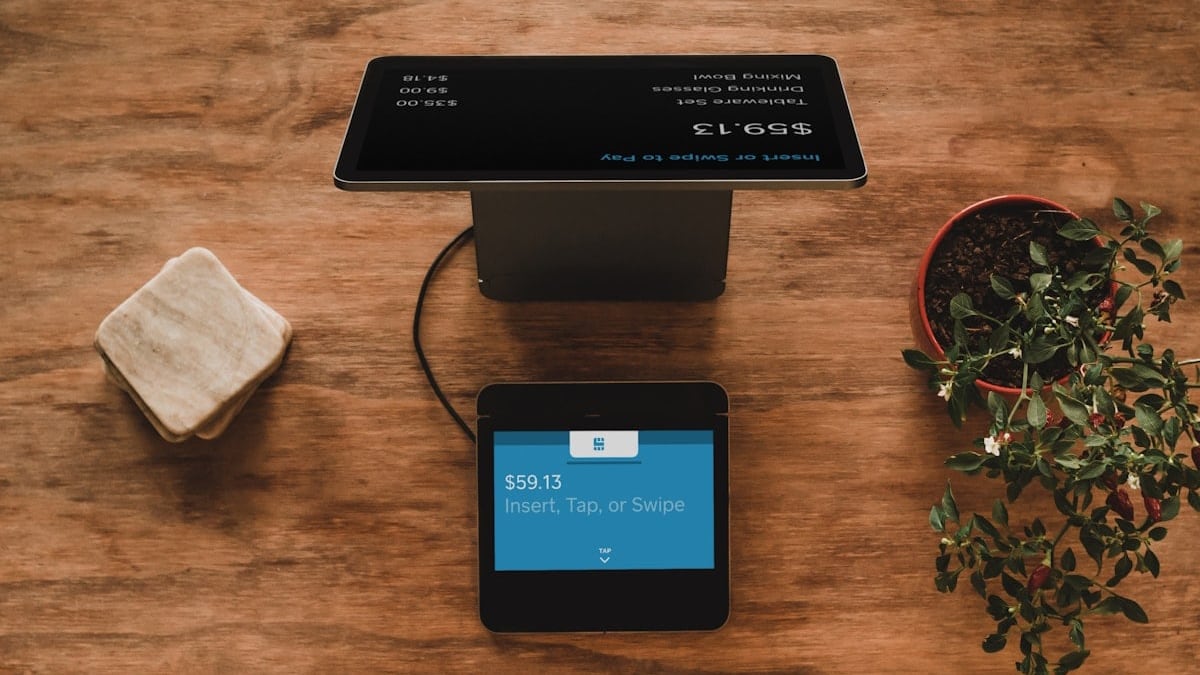
Top 10 Ecommerce Platforms for 2026: Expert Reviews & Comparison product interface and feature overview.
Each platform was scored on:
- Sales and product features – inventory management, multi‑channel selling, abandoned cart recovery, checkout customization, and POS integration.
- Ease of use – onboarding speed, dashboard clarity, and learning curve with real builds.
- Design and customization – theme quality, drag‑and‑drop flexibility, and code access.
- AI and automation – built‑in AI tools, marketing automations, and discovery features.
- Scalability and support – infrastructure for growth, security, API access, and 24/7 assistance.
- Value – price relative to built‑in capabilities versus reliance on paid apps.
Our top picks balance native power with manageable cost. No platform is perfect for everyone, so we highlight the best fit for each scenario.
1. Shopify – Best Overall Ecommerce Platform

Top 10 Ecommerce Platforms for 2026: Expert Reviews & Comparison product interface and feature overview.
Shopify remains the most complete SaaS solution for selling online, in‑person, and across social channels. In our scoring, it earned perfect marks for sales features, reliability, and user experience—no other platform matched that consistency. The 2026 Shopify Editions introduced Agentic Storefronts, where AI helps manage merchandising, and native integrations with TikTok Shop, Instagram, and the Shop app now reach over 250 million shoppers.
Key features we tested:
- 200+ professionally designed themes with drag‑and‑drop customization.
- Shopify Magic AI for product descriptions, image editing, and automated campaigns.
- Native POS and unified inventory across retail and online.
- Global selling tools: Shopify Markets for currencies, languages, and duties.
- 8,000+ apps to extend subscription sales, loyalty, and B2B functionality.
Pricing: From $29/month (Basic), with a $1/month for 3 months introductory offer. Shopify Plus for enterprise starts at $2,000/month. Transaction fees apply unless using Shopify Payments.
Best for: Growing small businesses, DTC brands, omnichannel retailers, and mid‑market brands that want enterprise scalability without heavy infrastructure.
When to look elsewhere: If you need full checkout customization on lower tiers or want to avoid app‑related add‑on costs, BigCommerce or WooCommerce might be stronger fits.
2. BigCommerce – Best for Built‑In B2B and Multi‑Storefront

Top 10 Ecommerce Platforms for 2026: Expert Reviews & Comparison product interface and feature overview.
BigCommerce packs advanced native tools that Shopify often requires apps for: customer groups, price lists, bulk pricing, and multi‑storefront management. Our demo store confirmed that complex catalogs and hybrid B2B/DTC operations run smoothly without juggling plugins. It scored a perfect 5/5 for site builder and maintenance features thanks to robust APIs and no transaction fees on any plan.
Key features:
- Natively supports headless commerce, cross‑channel listing (Amazon, eBay, Walmart), and real‑time shipping quotes.
- B2B‑ready: tiered pricing, quote management, and shared customer accounts.
- Abandoned cart recovery, advanced product options, and built‑in SEO tools.
- Integrates with WordPress and ERP systems for content‑commerce hybrids.
Pricing: Plans start at $39/month (Standard). Revenue‑based plan thresholds apply; BigCommerce Enterprise is custom‑quoted.
Best for: High‑SKU merchants, wholesalers, international brands, and businesses that expect rapid scaling and don’t want to pay platform transaction fees.
Downsides: The backend has a steeper learning curve, and built‑in design didn’t feel as fluid as Shopify in our tests. The app marketplace is smaller, though critical integrations exist.
3. Wix – Best for Design Control and SEO
Wix has evolved from a portfolio builder to a serious ecommerce contender. Its drag‑and‑drop editor offers unmatched design freedom, and the AI website generator can build a complete store in minutes. During testing, the SEO tools stood out: customizable URLs, automatically generated structured data, and integrated Google Merchant Center sync.
Key features:
- 500+ customizable online store templates; Wix Studio for advanced code control.
- Omnichannel selling: native POS, mobile app, social media, and marketplaces.
- AI product recommendations, automated discount logic, and abandoned cart recovery.
- Wix Owner app to manage inventory and orders from anywhere.
Pricing: Ecommerce plans start at $29/month. No transaction fees on Wix Payments.
Best for: Service‑based businesses adding products, creative brands that prioritize visual storytelling, and small teams that want an all‑in‑one marketing + sales platform.
When it may not fit: If you need deep multi‑currency native features or plan to sell heavily on marketplaces, Shopify or BigCommerce offer more mature cross‑channel tooling.
4. Square Online – Best for Syncing In‑Person and Online Sales
Square Online is a natural extension for retailers already using Square POS. It auto‑syncs inventory, customer data, and orders between a physical store and the website. In our test, we set up a coffee blend store with pickup, local delivery, and shipping in under an hour. It’s free to start, with paid upgrades unlocking more advanced ecommerce.
Key features:
- Automatic listing sync from Square POS to online catalog.
- Instagram and Facebook selling, QR code ordering for restaurants, and pickup/delivery management.
- Built‑in AI site builder and basic email marketing.
- No monthly fee for the Free plan with Square payment processing.
Pricing: Free plan available; upgrade to Pro at $49/month to remove ads and add custom domain, analytics, and abandoned cart emails.
Best for: Brick‑and‑mortar shops, cafes, pop‑up businesses, and retailers that want a quick, low‑code online presence tightly linked to in‑store operations.
Limitations: Customization is less flexible than Wix or Shopify, and advanced marketing features require third‑party integrations.
5. Squarespace – Best for Visual Brands and Creators
Squarespace continues to win on aesthetics. Its award‑winning templates suit artists, designers, and lifestyle brands. We like that the Commerce plans include no‑transaction‑fee selling, point‑of‑sale via Square, and basic subscription products. The 2026 update added AI content tools and better product variant handling.
Key features:
- Fluid drag‑and‑drop design with 140+ modern templates.
- Built‑in email campaigns, customer accounts, and analytics.
- Sell subscriptions, memberships, and digital products natively.
- 14‑day free trial.
Pricing: Commerce plans from $25/month (Basic) to $47/month (Advanced).
Best for: Creators, small‑batch goods, and brands that need a polished storefront with minimal development.
Where it falls short: No native multi‑channel marketplace integration. Payment options are limited to PayPal, Stripe, and Afterpay. Inventory management can feel lightweight for high‑volume sellers.
6. WooCommerce – Best for WordPress Content‑Commerce Fusion
When you already run a content‑rich WordPress site, WooCommerce is the most extensible free plugin. It gives you complete control over every aspect of the store—hosting, security, code, and data—with no recurring license fee. Our test installation on a VPS handled 500+ variable products smoothly with the right extensions.
Key features:
- Unlimited customization via 800+ extensions and direct code access.
- Full GDPR and accessibility compliance when properly configured.
- Built‑in blogging, SEO (via Yoast), and large community support.
- Payment gateways from Stripe to local bank transfers.
Pricing: Plugin free; hosting, SSL, domain, and extensions extra. Typical starting cost is $13–$25/month for quality managed hosting plus extensions.
Best for: WordPress users who need deep customization, content‑marketing‑led ecommerce, and businesses that want to own their data and infrastructure.
Consider this: Without technical skill or a developer, maintenance, caching, and security updates become your responsibility. It’s not a set‑and‑forget SaaS—factor in ongoing operational time.
7. Adobe Commerce – Enterprise Scale and AI‑Enhanced Experiences
Formerly Magento, Adobe Commerce powers Fortune 500 retailers with unmatched headless capabilities and AI‑driven personalization through Adobe Sensei. It’s not a beginner’s tool—implementation requires a dedicated dev team—but delivers granular control over B2B quoting, multi‑brand storefronts, and global supply chains.
Key features:
- Integrated Adobe Sensei AI for product recommendations, visual search, and predictive inventory.
- Advanced B2B: company accounts, requisition lists, and punch‑out catalogs.
- Headless architecture with PWA Studio and GraphQL API.
- Real‑time data dashboards and customer journey analytics.
Pricing: Custom enterprise pricing; typically starts in the mid‑five figures annually.
Best for: Large enterprises, global brands needing multi‑language and multi‑currency, and B2B operations with complex pricing logic.
Be aware: Time‑to‑market and total cost of ownership are high. For mid‑market buyers, BigCommerce Enterprise often reaches feature parity with less overhead.
8. Ecwid by Lightspeed – Best for Adding Ecommerce to an Existing Site
Ecwid shines when you want to embed a store into a website built on WordPress, Wix, Tumblr, or any custom site. Its widget‑based approach means you copy‑paste a snippet and launch a fully functional catalog. We tested the integration with a photography portfolio site—buying checkout worked without leaving the original domain.
Key features:
- Seamless embed into any CMS or website builder.
- Centralized inventory sync if you sell on Facebook, Instagram, Google Shopping, and Amazon.
- Mobile POS and mobile store app via Lightspeed.
- Free plan for up to 5 products.
Pricing: Free tier; paid plans from $5/month (Venture) to $29/month (Business) with fewer product limits on higher tiers.
Best for: Content creators, side hustlers, and businesses that already have a website and want to plug in a store without rebuilding.
Drawbacks: Design options are limited to the embeddable widget and a few layout presets. Full site‑building is not its strength—pair it with a good host site.
9. Shift4Shop – Best Free Ecommerce Platform with Shift4 Payments
Shift4Shop (formerly 3dcart) offers a complete ecommerce suite free if you use Shift4 Payments as your processor. That means unlimited products, integrated POS, abandoned cart recovery, and even a website builder without monthly subscription. Our test confirmed that all core features unlock on the free plan, making it a budget‑friendly option for startups.
Key features:
- Built‑in website builder, blogging, and SEO tools.
- 100+ ready‑to‑use templates and a visual WYSIWYG editor.
- Integrated POS and real‑time shipping calculations.
- API and webhooks for developers.
Pricing: Free with Shift4 Payments; otherwise plans start at $39/month.
Best for: Cost‑conscious entrepreneurs, pre‑revenue startups, and U.S.‑based merchants who can process via Shift4.
To note: If you need advanced multi‑currency support or a large third‑party app ecosystem, Shift4Shop feels more limited. The builder, while functional, lacks the polish of Shopify or Wix.
10. Big Cartel – Best for Indie Artists and Small Creative Drops
Big Cartel fills a niche: an ultra‑simple platform for artists, makers, and small‑batch labels. It’s not trying to compete on features; it focuses on easy listing, a clean storefront, and no transaction fees. Our test store with 25 screen‑printed tees launched in less than an afternoon.
Key features:
- Real‑time inventory tracking and discount codes.
- Custom HTML/CSS for those who want to tweak design.
- Offline payment option and integrated mobile checkout.
- Free plan for up to 5 products.
Pricing: Free (5 products), $9.99/month for 50 products (no transaction fees).
Best for: Indie makers, print‑on‑demand hobbyists, and crowdfunding followers who want a minimal storefront without monthly overhead.
Limitations: It lacks multi‑channel selling, POS, abandoned cart recovery, and advanced analytics. Once you pass 50 products, you’ll likely outgrow it.
Ecommerce Platform Comparison at a Glance
| Rank | Platform | Starting Price | Best For | Key Strength |
|---|---|---|---|---|
| 1 | Shopify | $29/month | DTC brands, omnichannel retailers | All‑in‑one ecosystem, AI readiness |
| 2 | BigCommerce | $39/month | B2B, multi‑storefront, high‑SKU | Native advanced features, no fees |
| 3 | Wix | $29/month | Design‑centric, small biz + blog | SEO control, drag‑and‑drop builder |
| 4 | Square Online | Free/$49 Pro | Retailers with physical stores | Instant POS sync, local delivery |
| 5 | Squarespace | $25/month | Visual brands, creators | Award‑winning templates |
| 6 | WooCommerce | Plugin free | WordPress users, content‑commerce | Full ownership, 800+ extensions |
| 7 | Adobe Commerce | Custom | Large enterprise, global B2B | Adobe Sensei AI, headless stack |
| 8 | Ecwid | Free/$5‑$29 | Existing websites, side‑hustlers | Embeddable widget, easy setup |
| 9 | Shift4Shop | Free (with Shift4 | Budget startups, U.S.‑based | Entire store free with payment |
| 10 | Big Cartel | Free/$9.99 | Indie artists, micro shops | Zero transaction fees, simplicity |
How to Choose Your Platform: A Decision Framework

Top 10 Ecommerce Platforms for 2026: Expert Reviews & Comparison product interface and feature overview.
Your choice depends on three core signals: business model, technical resources, and growth roadmap.
- If you sell both online and in a physical location, Square Online or Shopify POS keep inventory unified.
- If you’re a content publisher first, WooCommerce on WordPress integrates blogging natively.
- If you’re entering B2B with wholesale accounts, BigCommerce or Adobe Commerce handle customer-specific pricing out of the box.
- If branding and visual storytelling drive conversions, Wix or Squarespace offer unmatched design flexibility.
- If you need to launch fast with minimal upfront cost, Shift4Shop or Ecwid free tiers provide a working store today.
Once the platform is live, driving traffic often requires paid ads. That’s where competitor insight becomes critical. Tools like PrimeSpy let you research what winning ads look like across Meta, TikTok, and Instagram, uncovering creatives that you can adapt for your store. Pairing ad intelligence with your platform’s analytics creates a feedback loop: spy on ads, test similar hooks, and double down on what converts. If you want to systematize that process, check out our guide on how to combine PrimeSpy with creative analytics for higher ROAS.
For media buyers investing in paid traffic, cookieless tracking is now essential. A dedicated ad tracker like RedTrack ensures you attribute sales correctly across platforms, especially as privacy changes erode pixel data. Read our full RedTrack review to see if it fits your stack.
Finally, managing multi‑channel revenue requires clean books. While these platforms generate sales data, syncing it with accounting can get messy. PrimeSpy helps reconcile payouts, fees, and inventory costs across Shopify, Amazon, and more, so your P&L reflects reality without manual spreadsheet wrangling.
Sources and further reading
- Top 10 US E-Commerce Marketplaces 2026 - Top 10 US e-commerce marketplaces ranked by 2026 GMV. Amazon $300B, eBay $39B, Temu $22B, TikTok Shop $15B, Walmart $15B.
Frequently Asked Questions
Which ecommerce platform is cheapest for a startup?
Square Online’s free plan, Shift4Shop with Shift4 Payments, and Ecwid’s free tier all let you sell without a monthly fee—only payment processing costs apply. Big Cartel is also free for up to 5 products.
Can I switch platforms later?
Yes, all modern platforms support product export/import via CSV. However, design, URL structure, and customer accounts don’t migrate automatically, so plan for some manual re‑work. It’s smarter to choose a platform you can grow with from day one.
What platform handles international selling best?
Shopify Markets and BigCommerce’s multi‑storefront capabilities lead here. Both offer currency conversion, localized language, and tax calculation. Adobe Commerce provides the deepest localization for enterprise.
Do I need a developer for my ecommerce store?
Not necessarily. Shopify, Wix, and Squarespace are built for non‑technical users, offering drag‑and‑drop tools and managed hosting. WooCommerce and Adobe Commerce require more technical skill for setup and maintenance.
The Bottom Line
The 2026 ecommerce platform landscape rewards clarity: know your selling model, your technical bandwidth, and your growth targets. Shopify remains the best all‑rounder for most businesses, but BigCommerce, Wix, Square Online, and Squarespace each dominate specific scenarios. Niche players like Ecwid, Shift4Shop, and Big Cartel fill genuine gaps for side projects and brick‑and‑mortar expansions.
Start with a test store. Upload ten products, connect your payment processor, and walk through checkout as a customer. The platform that disappears into the background and lets you focus on sales is the right one. Combine it with the right marketing intelligence, reliable tracking, and solid financial tools, and you’ll be set to scale profitably.
Methodology: Our testing built live demo stores on top platforms. We evaluated 37 criteria across sales features, ease of use, design flexibility, AI integration, support, and true cost of ownership. Sources include our hands‑on builds, verified user reviews, and TechnologyAdvice’s independent comparison as well as Wix’s detailed breakdown for current 2026 feature updates.