
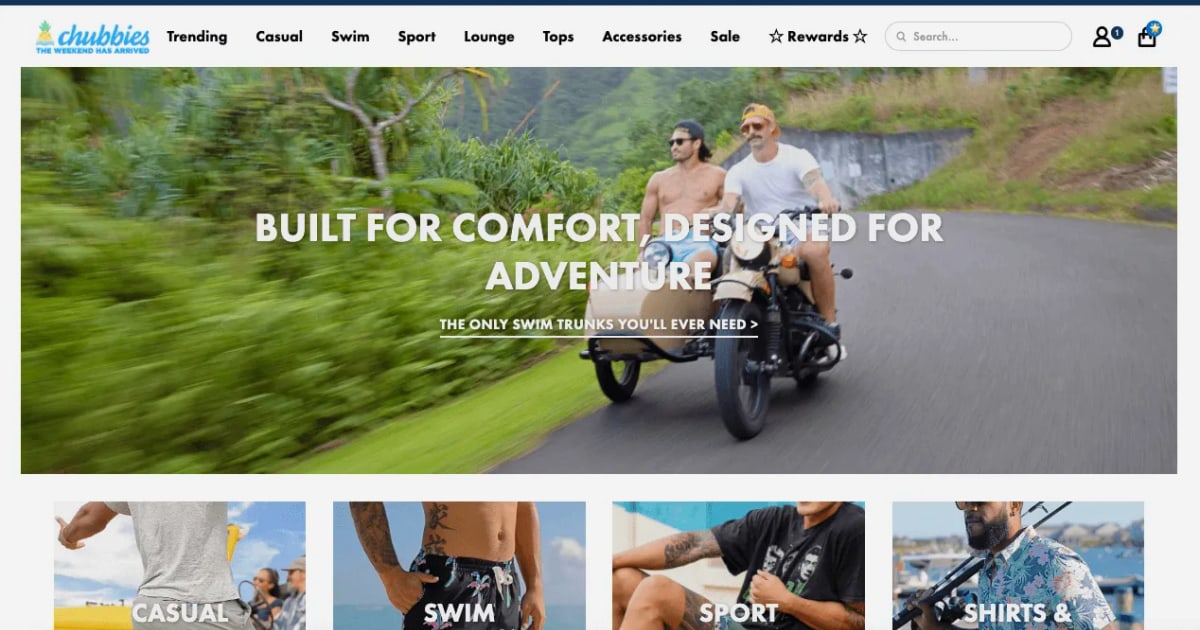
Shopify Stores: Examples, Success Factors, and Research Tactics
Shopify stores are some of the most visible independent ecommerce brands online, and studying them is one of the fastest ways to improve your own shop. This guide breaks down what makes standout stores work, groups real examples by category, and shows how to turn that inspiration into research you can act on.
What makes a Shopify store stand out
Shopify Stores: Examples, Success Factors & Research - What makes a Shopify store stand out.
A strong store is more than a nice theme. The best examples consistently combine a few fundamentals:
- A clear brand identity. Colors, tone, and imagery stay recognizable across the storefront, social profiles, and marketplaces.
- Effortless shopping. Navigation, product pages, and checkout remove friction instead of adding it.
- Fast, mobile-first performance. Most shoppers browse on phones, so load speed and layout matter.
- Useful product content. Detailed descriptions, sizing help, and comparison content answer questions before they become objections.
- A lean app stack. A handful of well-chosen apps for reviews, email, and inventory usually beats a bloated setup.
Shopify store examples by category
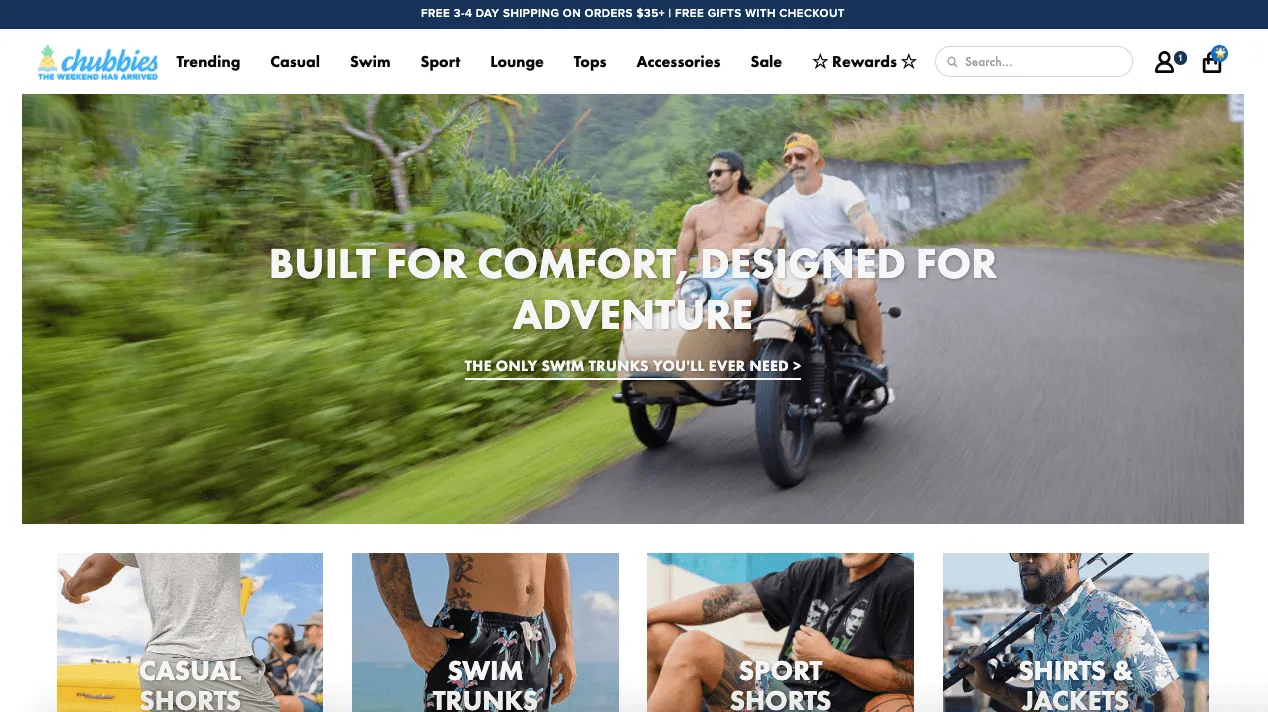
Shopify Stores: Examples, Success Factors & Research - Shopify store examples by category.
Fashion and apparel
Fashion rewards distinct points of view. Hiut Denim Co. built its identity around craft and a specific manufacturing heritage. Tentree ties every purchase to tree planting, making impact part of the product story. Rothy's turns recycled materials into footwear and accessories, with sustainability woven into the brand rather than bolted on.
Beauty and personal care
Beauty stores often win on inclusivity and education. Fenty Beauty became known for an unusually broad foundation shade range, and that positioning shaped how the brand is discussed. Glossier grew through community-driven marketing and a minimalist, mobile-first storefront. Rare Beauty pairs product pages with interactive tools that help shoppers choose shades.
Food, beverage, and consumables
Consumables lean on subscriptions and personality. Liquid Death uses a distinct brand voice to sell water, while Magic Spoon combines bundles, cross-sells, and a strong visual identity for cereal. Huel structures its store around subscription-first shopping.
Home, lifestyle, and accessories
Home and lifestyle brands often invest heavily in visuals. Ruggable uses high-resolution imagery and zoom so shoppers can judge texture and pattern. Allbirds emphasizes material close-ups and sustainability storytelling. Loop Earplugs positions a small product inside a wellness lifestyle.
Recurring strategies behind successful Shopify stores
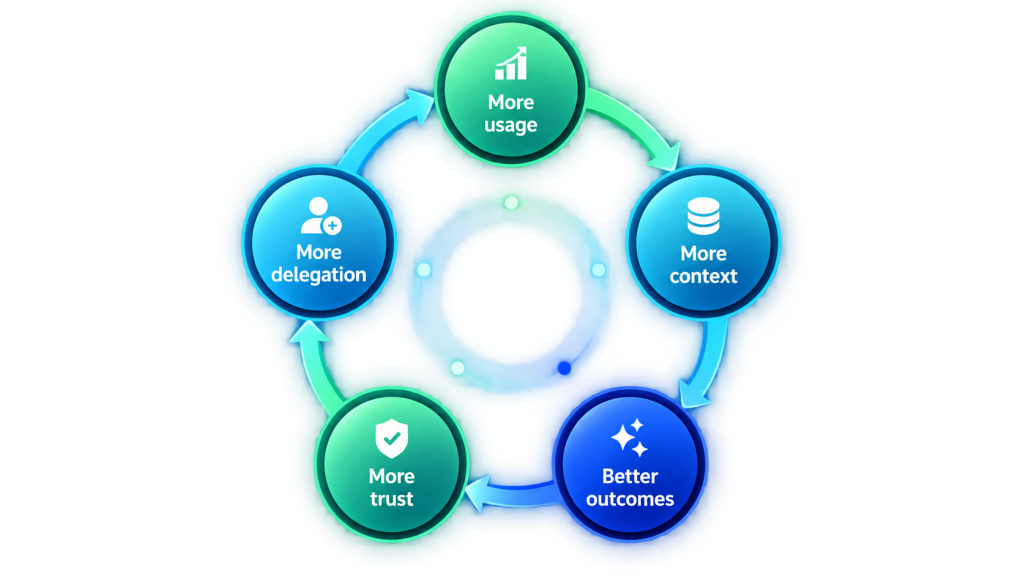
Shopify Stores: Examples, Success Factors & Research - Recurring strategies behind successful Shopify stores.
- Product presentation that removes doubt. Close-up photography, video demos, and clear specs make physical products feel tangible online.
- Retention through email and SMS. Welcome flows, cart recovery, and replenishment reminders keep customers coming back.
- Community and user-generated content. Customer photos and challenges turn buyers into advocates.
- Limited drops and urgency. Timed releases and restock alerts create reasons to return.
- Consistent cross-channel branding. The store, ads, and social content should feel like one brand.
How to research Shopify stores like a strategist
Shopify Stores: Examples, Success Factors & Research - How to research Shopify stores like a strategist.
Inspiration is useful, but research turns it into decisions. A practical workflow:
- Pick a focused set of competitors. Choose stores in your niche and price band rather than a random list of famous brands.
- Study their storefronts. Note navigation, product page structure, offers, and how they handle objections.
- Analyze their ads. Look at which creatives run repeatedly, which angles they test, and how landing pages match the ad promise.
- Track changes over time. New collections, price shifts, and fresh creatives signal where a competitor is investing.
- Translate findings into tests. Turn observations into your own experiments on offers, creative, and page layout.
For a structured approach to step one through five, see this competitive analysis framework.
Where ad intelligence fits
Storefronts show the finished result; ads show the strategy behind it. Ad spy tools let you search competitor creatives across platforms, filter by engagement signals, and spot patterns in messaging. PrimeSpy, for example, supports keyword, URL, and advertiser search across Facebook, TikTok, and Meta Ad Library, with filters and metrics such as reach, spend, and duplicate counts. That kind of data helps you identify which angles are being scaled rather than guessing from a single screenshot. If you are comparing options, this ad spy tool comparison covers coverage, filters, and pricing side by side.
Turning inspiration into your own store
The mistake most store owners make is copying surface details: a color palette, a homepage layout, a single ad. The better move is to understand the reasoning underneath. Ask why a brand uses subscriptions, why a product page leads with materials, or why an ad angle repeats for months.
Start with one category you admire, document three to five specific tactics, and test them against your own audience. Combine storefront observation with ad research so you are reacting to evidence rather than trends.
Related reading
- PrimeSpy vs AdFox vs Anstrex: 2026 Ad Spy Tool Comparison - Compare PrimeSpy, AdFox, and Anstrex on ad coverage, search, analytics, and pricing to choose the right ad spy tool for your 2026 campaigns.
- PrimeSpy Login: Sign In, Reset Password & Access Fixes - How to sign in to PrimeSpy, reset a forgotten password, fix common login issues, and understand what your account unlocks for ad research.
- PrimeSpy vs SellerCenter vs Niche Scraper (2026 Comparison) - Compare PrimeSpy, SellerCenter, and Niche Scraper in 2026: ad spy coverage, product research, Shopify tracking, pricing, and which tool fits your workflow.
Sources and further reading
- 50 Best Shopify Stores to Inspire Your Own (2026) - Shopify - What makes a Shopify store stand out? Get inspired by more than 50 beautiful, successful ecommerce stores.
- 40 Best Shopify Stores Crushing It in 2026 (Examples) - Read about top Shopify stores, along with marketing and conversion strategies. Learn how Shopify websites drive ecommerce growth in 2026.
- 15 Most Successful Shopify Stores on the Market | Trend - Check out 15 of the most successful Shopify stores that are applying the latest strategies for content creators that have the greatest possible impact.
FAQ
What are the best Shopify stores to learn from?
There is no single best list. Choose stores in your own category and price range, then study their product pages, offers, and ad creatives. Cross-category examples like Fenty Beauty or Liquid Death are useful for branding lessons, but niche competitors give more directly transferable insights.
How do I find Shopify stores in my niche?
Search for product keywords plus terms like "Shopify store," browse Shopify's own showcase content, and check the stores your competitors link to. Ad libraries and ad spy tools can also reveal which stores are actively spending on paid traffic.
What makes a Shopify store successful?
Common factors include a clear brand identity, fast mobile performance, strong product presentation, a simple checkout, and retention through email or SMS. Successful stores also test continuously instead of treating launch as the finish line.
Can I see which ads a Shopify store is running?
Yes. Public ad libraries and ad spy tools let you search by advertiser or keyword and review active creatives. This helps you understand messaging, creative formats, and how long specific ads have been running.
Do I need paid tools to research Shopify stores?
No, but they save time. Manual browsing works for a handful of competitors, while ad intelligence platforms make it easier to filter, compare, and track creative changes across many advertisers.
Conclusion
Shopify stores succeed for repeatable reasons: clear branding, frictionless shopping, strong product content, and consistent marketing. Use the examples in this guide as starting points, then go deeper with structured competitor and ad research. The stores that win are the ones that study the market, form a hypothesis, and test it — not the ones that copy a homepage and hope.