
Media Buying: The Complete 2026 Guide to Ads
Media buying is the process of purchasing advertising space and time across channels — television, radio, print, websites, apps, and social platforms — so a brand's message reaches the right audience at the right moment. A media buyer negotiates rates, selects placements, and manages budgets to hit campaign goals efficiently.
Once a largely offline discipline, media buying now runs on data, automation, and real-time optimization. This guide explains how it works, how the role has evolved, and how to research the market before committing spend.
What Is Media Buying?
Media Buying: The Complete 2026 Guide to Ads - What Is Media Buying?.
Media buying is the procurement side of advertising: securing inventory, negotiating price, and placing ads based on research. It sits alongside media planning, which decides where and when ads should run. In smaller teams, one person often handles both.
A media buyer's core responsibilities include:
- Negotiating rates with publishers, networks, and platforms
- Selecting placements that match the target audience and message
- Managing budgets across channels and campaigns
- Tracking performance and adjusting schedules based on results
- Reporting on reach, frequency, and return on ad spend
Historically, media buying was handled inside advertising agencies. The late 1990s brought "unbundling," where creative and media functions split into separate agencies. Today, major holding companies still operate dedicated media-buying units, while in-house teams and freelance buyers handle growing shares of digital spend.
Traditional vs. Digital Media Buying

Media Buying: The Complete 2026 Guide to Ads - Traditional vs. Digital Media Buying.
Traditional media buying covers television, radio, newspapers, magazines, and out-of-home advertising. Buyers in this space often target local markets — Designated Market Areas (DMAs) for TV and Metropolitan Statistical Areas (MSAs) for radio — and rely on ratings data from measurement firms to align purchases with the right geography.
Digital media buying covers search engines, social platforms, display networks, streaming services, and mobile apps. It adds capabilities traditional buying cannot match:
| Dimension | Traditional | Digital |
|---|---|---|
| Targeting | Demographics, geography | Behavior, interests, retargeting |
| Optimization | Periodic schedule adjustments | Real-time bidding and creative rotation |
| Measurement | Ratings, surveys | Clicks, conversions, ROAS |
| Entry cost | Often high minimums | Scalable from small budgets |
For many brands, the answer is not either/or. A media mix that combines brand-building channels with performance channels usually outperforms a single-channel approach.
Key Media Buying Channels in 2026

Media Buying: The Complete 2026 Guide to Ads - Key Media Buying Channels in 2026.
Programmatic Display
Programmatic advertising uses demand-side platforms (DSPs) to automate ad purchases in real time. Buyers set audience parameters and budgets, and algorithms bid on impressions. This model dominates display and video inventory.
Paid Social
Social platforms — Facebook, Instagram, TikTok, Snapchat, and others — let buyers target granular audiences and test creative quickly. Paid social often outperforms organic posting for reach and conversion, and it has become a primary channel for ecommerce and direct-to-consumer brands.
Search Advertising
Search remains one of the highest-intent channels. Buyers bid on keywords and manage campaign structures that map to the customer journey. If you are new to this channel, our breakdown of Google Ads explained covers campaign types, bidding, and costs.
Connected TV and Streaming
CTV advertising brings digital targeting and measurement to television inventory. It is increasingly part of mainstream media plans, especially for brands that want video reach without traditional TV minimums. Our guide to CTV advertising explains how it works and what it costs.
Retail and Marketplace Media
Amazon, Walmart, and other retailers now operate sizable ad networks. These placements reach shoppers at the point of purchase and are a growing line item in ecommerce media plans.
The Media Buying Process, Step by Step
Media Buying: The Complete 2026 Guide to Ads - The Media Buying Process, Step by Step.
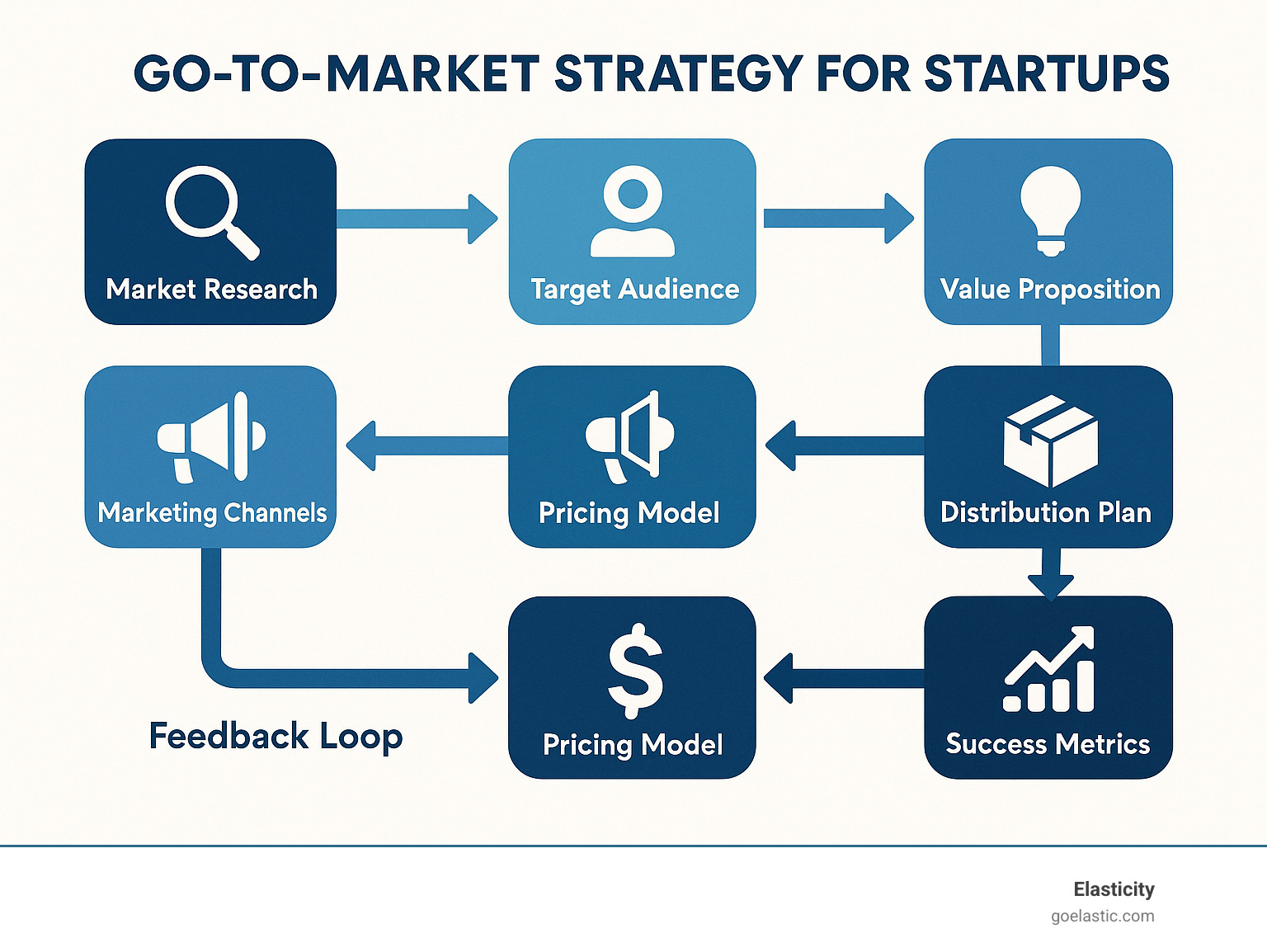
- Define objectives. Set clear goals: awareness, traffic, leads, or sales. Each goal implies different channels and metrics.
- Research the audience. Understand who you are targeting, where they spend time, and what messages resonate.
- Research the competition. Study which ads competitors run, how long they have run them, and what creative angles they use. Ads that run for weeks or months are often profitable signals.
- Plan the media mix. Allocate budget across channels based on expected reach, cost, and conversion potential.
- Negotiate and purchase. Secure inventory at the best possible rate, whether through direct deals or programmatic platforms.
- Launch and monitor. Track delivery, frequency, and performance daily during the learning phase.
- Optimize. Shift budget toward winning placements, refresh creative, and cut underperforming lines.
- Report and iterate. Document what worked, what did not, and what to test next.
How to Research Competitor Ads Before You Spend
Competitive research is one of the highest-leverage activities in media buying. Before committing budget, you can see what already works in your niche — which hooks, formats, and offers advertisers keep running.
Ad intelligence tools make this practical. PrimeSpy is a multi-platform ad spy tool that lets you search ads by keyword, URL, or advertiser across Facebook, TikTok, and the Meta Ad Library. You can filter by engagement metrics, view spend and reach estimates, and track advertisers over time. For dropshippers and ecommerce teams, this turns guesswork into a data-backed shortlist of angles worth testing.
A simple research workflow:
- Search your product category or a competitor's URL
- Sort by longest-running or highest-engagement ads
- Note recurring hooks, visual styles, and offers
- Build a swipe file of patterns — not copies — to inform your own creative briefs
If you want to compare tools before choosing one, our PrimeSpy vs Dropispy vs Vibemyad comparison breaks down coverage, analysis, and pricing.
Media Buying vs. Media Planning
These roles are related but distinct:
- Media planning decides the strategy: which audiences, channels, timing, and budget allocation will achieve the campaign goal.
- Media buying executes that plan: negotiating, purchasing, and optimizing the actual placements.
In large agencies, planners and buyers work in separate teams. In smaller organizations, the same person often does both. Understanding the distinction helps you structure teams and assign accountability for results.
General Market vs. Direct Response Buying
Direct response media buyers (DRMBs) focus on measurable action: calls, clicks, and sales. They often attach unique tracking numbers or links to each placement, track response by source, and adjust schedules to optimize return. General market buyers, by contrast, execute broader brand campaigns based on plans developed by media planners.
Direct response buying demands a tighter feedback loop. If you work in performance marketing, treat every placement as a test with a measurable outcome.
Common Media Buying Mistakes
- Buying without research. Launching campaigns without studying the competitive landscape wastes budget on angles that have already failed for others.
- Ignoring creative fatigue. Even winning ads decay. Plan refresh cycles before performance drops.
- Over-concentrating budget. Putting everything into one channel or placement increases risk.
- Skipping measurement setup. Without proper tracking, optimization becomes guesswork.
- Chasing cheap inventory. Low CPMs mean little if the audience never converts.
Media Buying FAQ
What does a media buyer do?
A media buyer negotiates and purchases advertising space across channels, manages budgets, and optimizes placements to meet campaign goals. The role combines negotiation, data analysis, and platform expertise.
How is media buying different from media planning?
Media planning sets the strategy — audiences, channels, timing, and budget. Media buying executes it by securing inventory and managing live campaigns.
What is programmatic media buying?
Programmatic buying uses software and demand-side platforms to purchase ad impressions automatically in real time, based on audience and placement parameters set by the buyer.
Do small businesses need media buyers?
Not necessarily as a dedicated hire. Many small teams use self-serve ad platforms and research tools to handle buying in-house, then bring in specialists as budgets grow.
How do I research competitor ads?
Use ad intelligence tools to search by keyword, URL, or advertiser, then study which creatives run longest and engage most. Long-running ads are often the strongest signal of profitability.
Related reading
- PrimeSpy vs Dropispy vs Vibemyad: 2026 Ad Spy Comparison - PrimeSpy vs Dropispy vs Vibemyad compared on ad coverage, creative analysis, AI generation, and pricing so you can pick the right ad spy tool.
- Google Ads Explained: How It Works, Costs & Campaign Types - Learn how Google Ads works in 2026: campaign types, bidding, costs, AI tools, and how to research competitor ads before you spend.
- How to Use PrimeSpy with PPSPY: Ad Spy + Shopify Workflow - Combine PrimeSpy ad intelligence with PPSPY Shopify sales data to validate winning products, verify real demand, and launch faster. Step-by-step workflow.
Sources and further reading
- Media buying - From Wikipedia, the free encyclopedia
- What is Media Buying And How Did You Get Started? - Reddit - Jul 26, 2018 ... Media buying is pretty much that, you buy media space (e.g. a digital banner ad on a website, a facebook, twitter or instagram ad, a pre-roll ...
- A complete guide to media buying - Media buying is the process of purchasing media to serve ads at the right time and place to key audiences to meet the campaign’s goals efficiently.
Conclusion
Media buying has evolved from rate negotiations and print schedules into a data-driven discipline spanning search, social, programmatic, and streaming. The fundamentals remain: know your audience, research the market, negotiate well, and optimize relentlessly.
Before your next campaign, spend time studying what already works in your niche. Tools like PrimeSpy make that research faster, and the insights you gather will shape smarter creative, sharper targeting, and better returns on every dollar you spend.