

Commerce Software: What It Is and How to Choose in 2026
Commerce software is the layer of tools that lets a business sell, fulfill, and grow online — from the storefront a shopper clicks through to the feed that pushes your catalog into Google, Meta, and TikTok. The category has widened fast: it now includes hosted platforms, headless builds, feed and data tools, and the ad-intelligence software that tells you which creatives are actually working.
This article breaks the category into its real parts, gives you a practical way to evaluate each one, and shows where research tools fit into the stack.
What "commerce software" actually covers
Commerce Software: What It Is and How to Choose in 2026 - What "commerce software" actually covers.
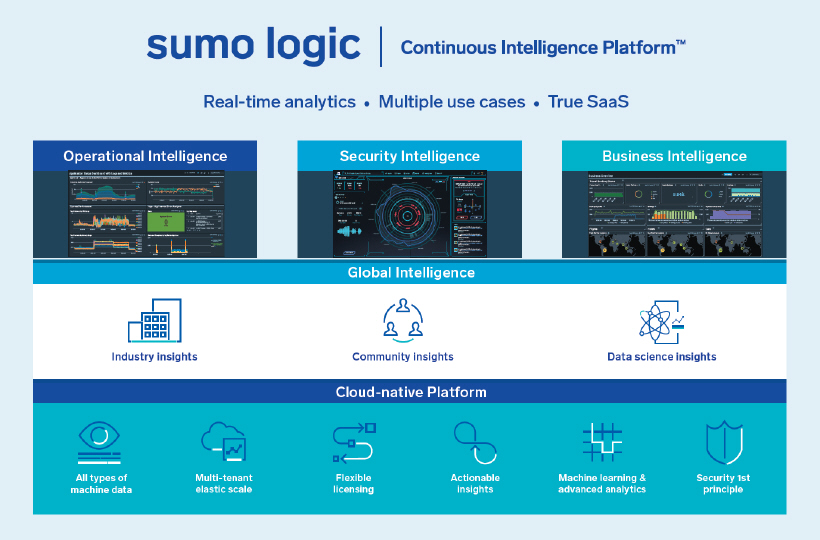
The term gets used loosely, so it helps to split it into four functional layers. Most businesses end up buying in at least three of them.
1. Storefront and platform software
This is the system that hosts your product catalog, checkout, and order management. It's the layer most people mean when they say "ecommerce software."
- Hosted platforms like BigCommerce and Shopify give you hosting, checkout, and payments in one subscription. BigCommerce positions itself around flexibility and open APIs, with multi-storefront and B2B features built in; Shopify leans on a large app ecosystem and fast setup.
- Visual builders such as Makeswift let marketing teams edit storefronts without waiting on developers.
- Headless setups decouple the front end from the back end, which suits teams with custom experiences and engineering capacity.
2. Product data and feed software
Once you sell on more than one channel, your catalog data becomes the bottleneck. Feed management tools — Feedonomics is the best-known example — sync, clean, and enrich product data across marketplaces, social commerce, and ad channels. If your titles, attributes, and images aren't optimized per channel, you lose visibility before a shopper ever sees your ad.
3. Payments, checkout, and operations
Embedded payment providers, BNPL options, tax and shipping logic, inventory sync, and subscription billing live here. On modern platforms much of this is configuration rather than custom development, which is why checkout quality is now a platform-selection criterion rather than an afterthought.
4. Advertising and market research software
This is the layer that decides whether traffic converts. Ad intelligence tools let you study live creatives across Facebook, TikTok, and the Meta Ad Library — seeing which angles, formats, and offers competitors keep running. PrimeSpy sits in this category: it supports keyword, URL, and advertiser search, advanced ad filters, metrics such as reach and spend, daily top products, and ad trackers across Facebook, TikTok, and Meta Ad Library, with a free trial of 500 credits and a Pro plan at $9.99/month for 20,000 credits.
For a broader view of how this layer connects to campaign strategy, see our guide to ecommerce advertising.
How to evaluate commerce software without getting lost
Commerce Software: What It Is and How to Choose in 2026 - How to evaluate commerce software without getting lost.
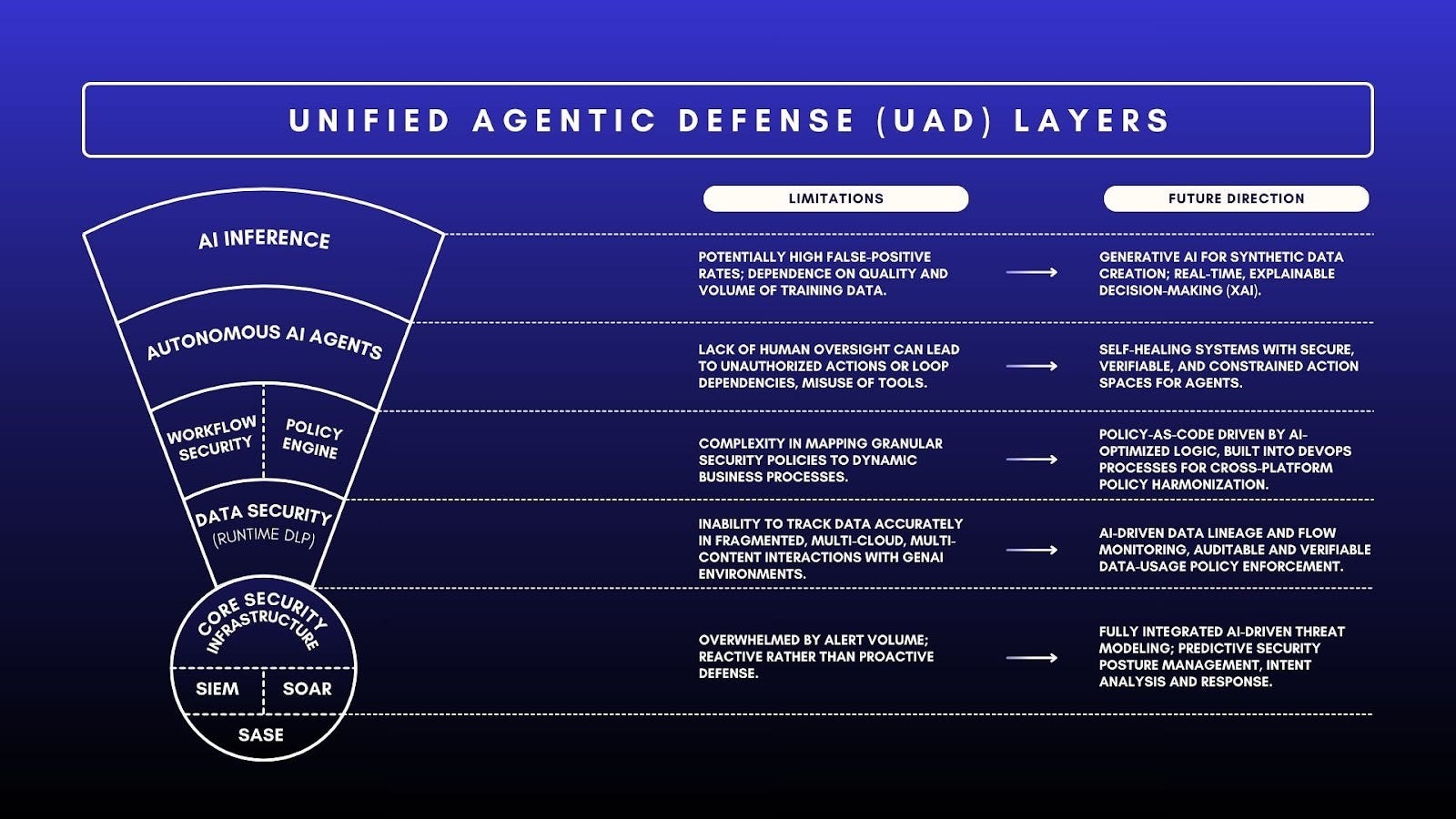
Vendor pages all promise flexibility, scale, and AI. The differentiators show up in five places.
Total cost of ownership, not sticker price
A cheap platform with expensive apps, transaction fees, or required developer hours is rarely cheap. Map the full bill: subscription, app subscriptions, payment processing, feed tooling, and the internal hours to maintain it.
Migration and exit cost
Ask what leaving looks like. Platforms with open APIs and standard data exports cost less to exit than closed systems. If you're moving from another platform, budget the data migration as a project, not a task.
Channel coverage
If you sell on Amazon, Walmart, eBay, Google, Meta, and TikTok, native channel support and feed tooling matter more than storefront theming. If you sell direct only, checkout conversion and site speed matter more.
B2B vs B2C fit
B2B needs account-specific pricing, quotes, approval workflows, and net terms. B2C needs fast checkout, promotions, and loyalty. Some platforms handle both from one instance; others require workarounds. Decide which model dominates your revenue before you shortlist.
The research layer you'll actually use
Platform choice gets you live. Ad research determines whether you grow. Before committing to a stack, confirm which ad-intelligence tools integrate with your workflow and what data they expose. If you're comparing options, our breakdown of PrimeSpy vs Winning Hunter vs Niche Scraper covers pricing, platform coverage, and workflow fit side by side.
A practical selection sequence

Commerce Software: What It Is and How to Choose in 2026 - A practical selection sequence.
Most teams get better results by choosing in this order:
- Define your selling model. DTC, B2B, marketplace, or hybrid. This eliminates half the shortlist immediately.
- Pick the platform. Test checkout, catalog limits, and multi-storefront support against your actual catalog — not a demo catalog.
- Add feed and channel tooling. Only after you know which channels you're selling on.
- Layer in ad research. Start with a free trial on a tool like PrimeSpy, run searches on competitors you already know, and validate that the data changes your decisions before you pay for anything.
- Re-evaluate annually. Commerce software churns quickly; a stack that fit two years ago may now be overpriced or underpowered.
If you're launching a store from scratch, the dropship setup guide walks through niche research, suppliers, platform choice, payments, and ad validation in sequence.
Where ad intelligence changes the buying decision
Commerce Software: What It Is and How to Choose in 2026 - Where ad intelligence changes the buying decision.
Platform comparisons tend to treat advertising as a separate problem. In practice, the two are linked: the ads you can run are constrained by the catalog data your platform and feed tools produce, and the products worth stocking are often visible first in competitor ad activity.
That's the practical case for ad spy software. Instead of guessing which product to test, you search a keyword or a competitor's URL, filter by engagement or run duration, and look at what's being scaled. PrimeSpy's positioning is deliberately research-first — it's built to surface trends and product ideas rather than to clone competitor creatives.
For teams already running paid traffic, this pairs naturally with tracking and attribution tools. If you're evaluating that side of the stack, our explainer on RedTrack covers cookieless tracking and how attribution software differs from ad spy tools.
Common mistakes when buying commerce software
- Choosing on feature lists. Long feature lists hide weak checkout flows. Test the buying experience yourself.
- Ignoring data portability. Your product data is an asset. Make sure you can export it in a usable format.
- Buying ad tools before you have a testing process. A research tool amplifies a system; it doesn't replace one.
- Overbuilding early. Headless and custom builds pay off at scale, not at launch.
- Skipping the feed layer. Good products with bad catalog data underperform on every channel.
Related reading
- AdSkate Login: Sign In, Access Your Dashboard & Fix Issues - Step-by-step AdSkate login guide for desktop and mobile. Learn how to sign in, access your dashboard, reset your password, and fix common login issues.
FAQ
What is commerce software?
Commerce software is any tool that supports selling online — storefront platforms, checkout and payment systems, product feed management, inventory and order operations, and the advertising or research tools used to drive and optimize traffic.
Is BigCommerce the same as Commerce?
Commerce is the parent company behind BigCommerce, Feedonomics, and Makeswift. BigCommerce is the ecommerce platform; Feedonomics handles product feed management; Makeswift is the visual storefront editor.
Do I need separate ad intelligence software if my platform has analytics?
Platform analytics tell you how your own store performs. Ad intelligence tools show what competitors are running across Facebook, TikTok, and the Meta Ad Library — a different dataset used for product discovery and creative research.
How much should commerce software cost?
Costs vary widely by layer. Hosted platforms typically run from entry-level monthly plans to enterprise contracts, feed tools are usually quoted by catalog size and channel count, and ad research tools range from free trials to roughly $10–$100+ per month depending on credit volume and features.
Can I start with free tools?
Yes. Many platforms offer free trials that are real stores rather than demos, and ad research tools like PrimeSpy include a free trial with 500 credits, which is enough to run initial competitor searches before committing.
Conclusion
Commerce software isn't one product — it's a stack of decisions about where you sell, how your data travels, and how you find products worth promoting. Get the platform and feed layers right first, because they constrain everything downstream. Then add research tooling that turns competitor ad activity into testable ideas rather than guesswork. Evaluate on total cost, portability, and channel fit, and revisit the stack every year.